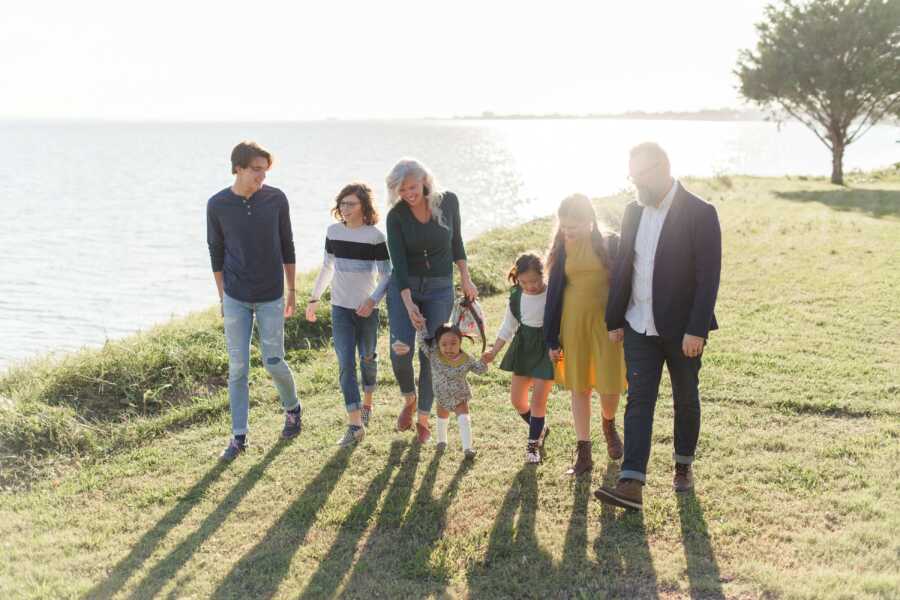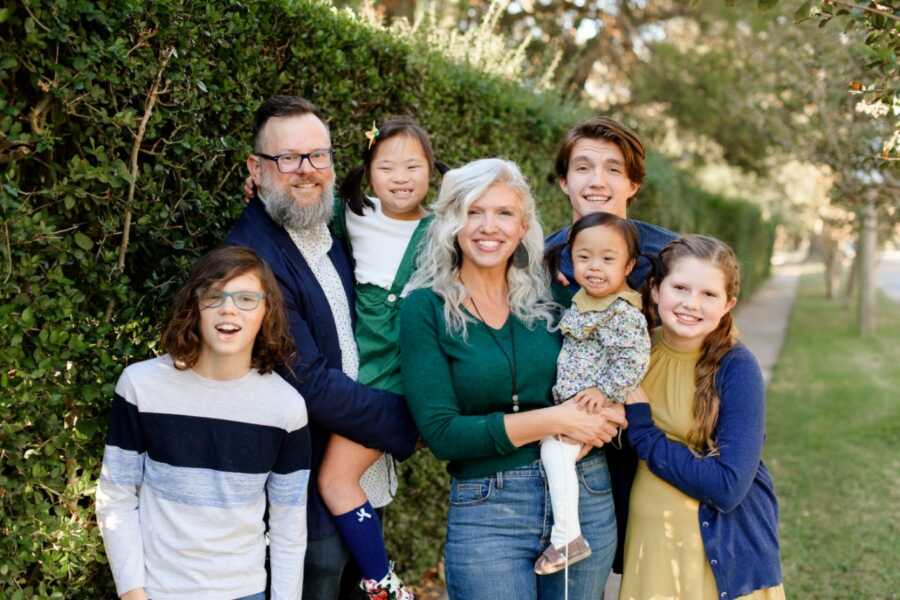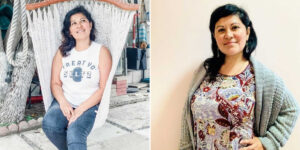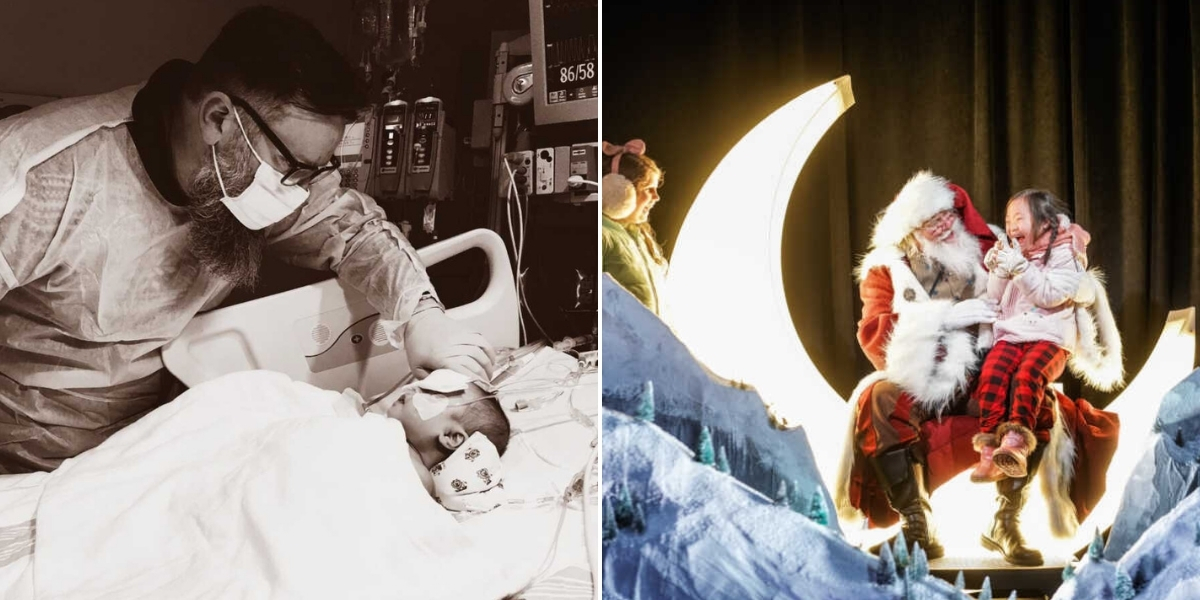
We have five kids. Our first three came to us the “fun way,” as my husband Randall likes to joke. But adoption was always on our hearts. We knew we wanted to pursue it “someday,” and we even made a few tentative calls. Yet, at the time, we knew very little and felt like we’d hit a dead end.
It was during this period that we met a young mom and her baby. They were homeless, but each Sunday she would walk to church, recording the worship service on her flip phone so she could play it back later. We’d see them in town, strolling along the sidewalks with the music quietly playing in her stroller. Shortly after meeting them, her baby was placed in foster care. We found ourselves walking alongside her through the process of reunification, cheering her on every step of the way.
I remember one chaotic evening while I was trying to get dinner on the table. She looked around our home and said something that stopped me in my tracks: she’d never had this. Confused, I asked what she meant, thinking she was talking about the pasta. She shook her head gently and said, “A meal with a family.” She had been an incredible mom all along, overcoming the barriers of growing up in foster care herself—she just needed support. Later that year, we celebrated alongside her as she welcomed her baby home. Witnessing her triumph was a profound reminder of the power of love, support, and community.
We didn’t want adoption to remain an undefined “someday,” so we set a date. We decided that at age 35, we would officially begin pursuing adoption. Thirty-five might have seemed arbitrary, but we both understood the realities of age and pregnancy: the risk of complications increases, and the likelihood of having a child with special needs, such as Down syndrome, rises. Ironically, our journey would later bless us with not just one, but two amazing daughters with Down syndrome, added to our family through adoption. After turning 35, we met with an adoption attorney to learn how to start the process.
Within a few months, we connected with an agency that asked us to consider what medical conditions or special needs we might be open to. We carefully reviewed the extensive list, and then had a moment of clarity: if we had a biological child with special needs, we’d figure it out. So, we said yes. Yes to whatever child needed a family.
On a day trip home, I saw a post advocating for a little girl in China. She had Down syndrome, a heart defect, and many unknown neurological concerns. International adoption is expensive, but none of that mattered. She was our daughter, and we would go anywhere to bring her home.
Many thought we were crazy. Some worried about the impact on our biological kids; a few friends even suggested we were “ruining our children’s lives.” But for the most part, our community rallied around us. They helped fundraise, offered prayers, and consistently showed up to support us in bringing our daughter home.
Fourteen months later, we boarded a plane to China. Looking back, it’s almost laughable how unprepared we were. My greatest fear was losing our kids on the bullet train—an understandable concern, given the strict 120-second boarding window. But after three days of planes, trains, and a bus ride through the mountains, we arrived at her orphanage.
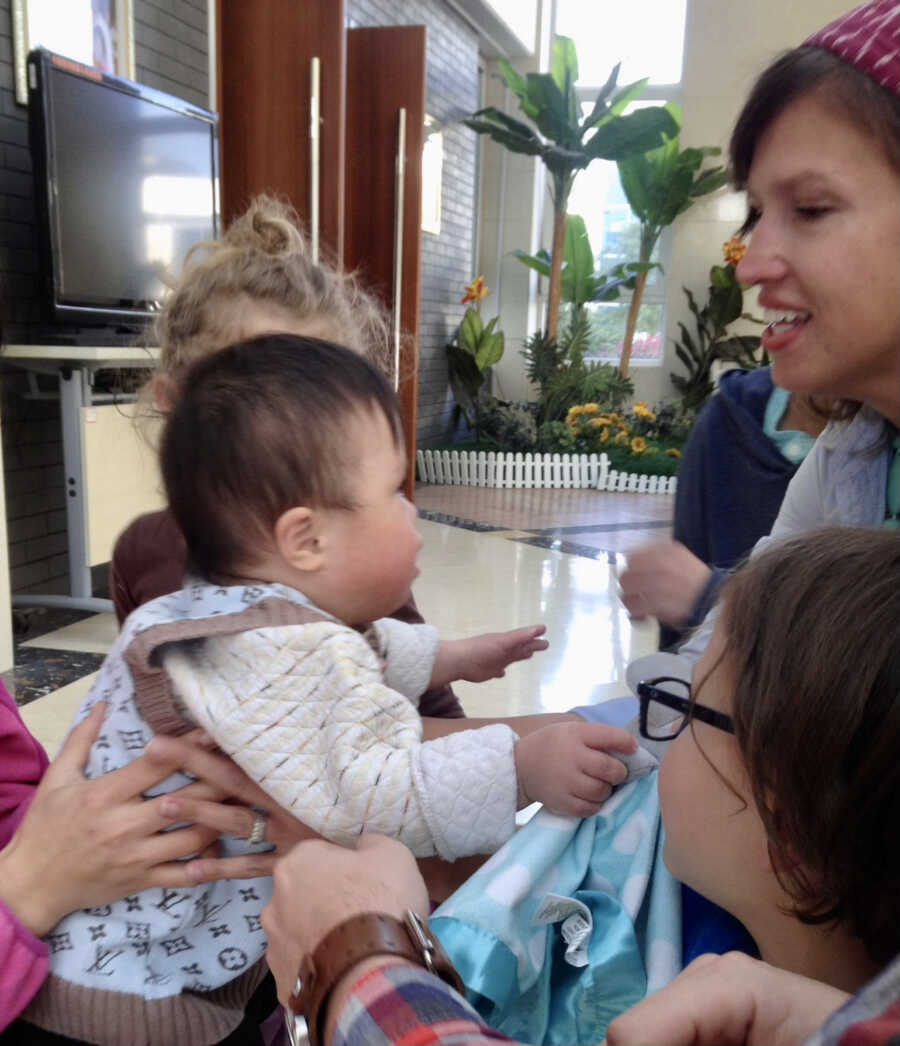
Her nanny brought her to us. We all crouched down, introducing ourselves. She studied each of us silently before finally reaching for me. Moments later, my husband, unable to contain himself, patted his chest and said, “Baba,” the Chinese word for Daddy. She quietly whispered “Baba” back, resting her head on my chest and drifting off to sleep. She was running a fever and had a rash we’d later discover was Rubella, which added a few extra days in-country for medical clearance—but nothing could diminish the magic of that first meeting.
Touring the orphanage was eye-opening. The rooms were eerily silent. Babies quickly learn that crying wastes energy when no one comes. In those quiet hallways, we realized we would adopt again. Any reason to say no paled against the lives waiting for love and family.
Two years later, we were ready to say yes again. We learned about a baby in the NICU of a Seattle hospital. She had Down syndrome and multiple complex medical needs. Her biological mom, in the U.S. on a temporary visa, did not feel she could provide the support her baby required. She believed adoption was the best option. We said yes, and five days later I was on a plane to Seattle.
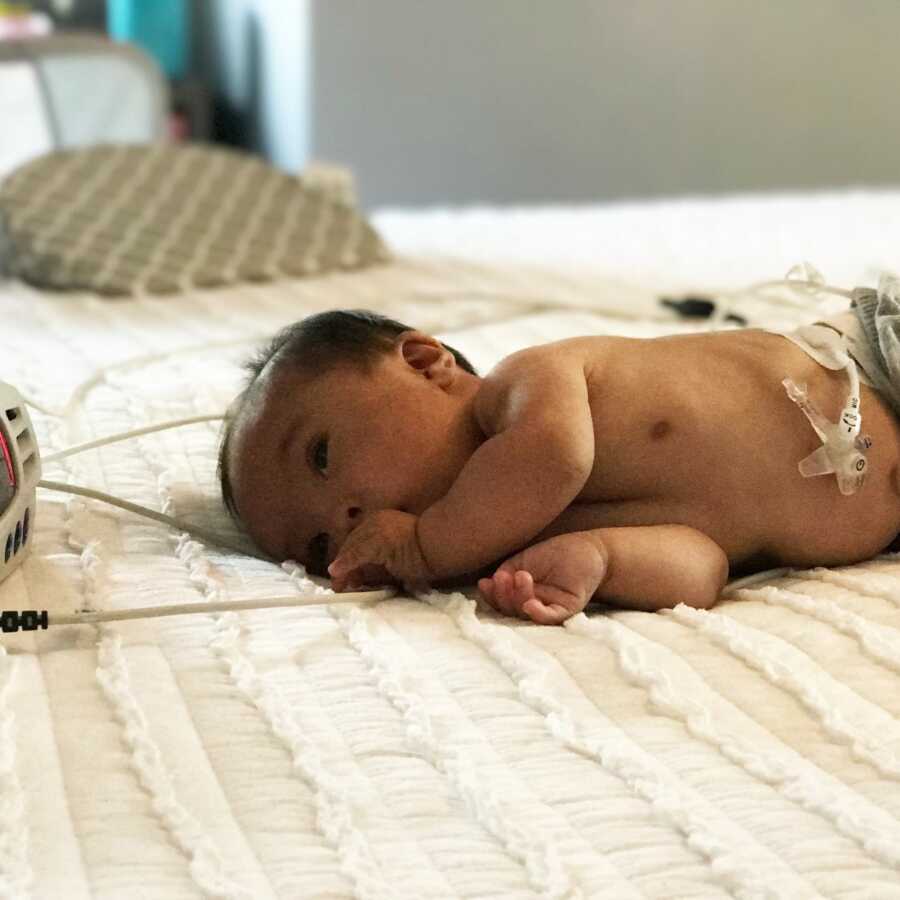
I walked into the NICU and saw her for the first time. We hadn’t seen a photo, and she took my breath away. Swaddled in pink, she resembled her first mom perfectly. The air felt heavy with emotion. This baby was deeply wanted, and yet she would not go home with her birth mom. While her mother cared for her lovingly in the NICU—feeding, changing, nurturing her—it became clear that the adoption plan was necessary. On discharge day, her first mom chose to hand her over. The walk out of the hospital was heartbreak in motion, a silent, sacred passing from one mother to another.
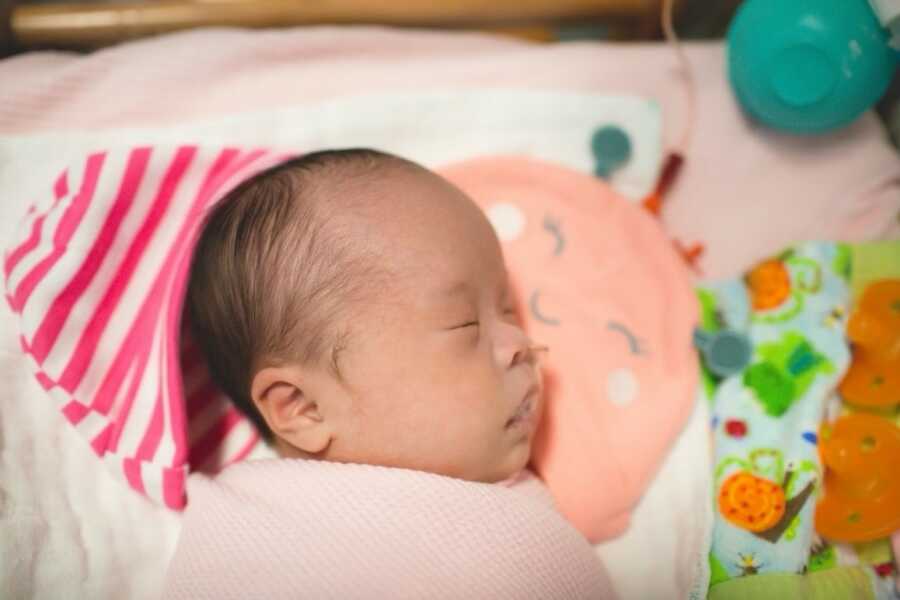
Today, our baby girl has a farm in a faraway country, named just for her. We share photos and late-night video calls. Her first mom cheers her on from half a world away. It’s beautiful, and it’s hard—but we are grateful for the family we have been given.
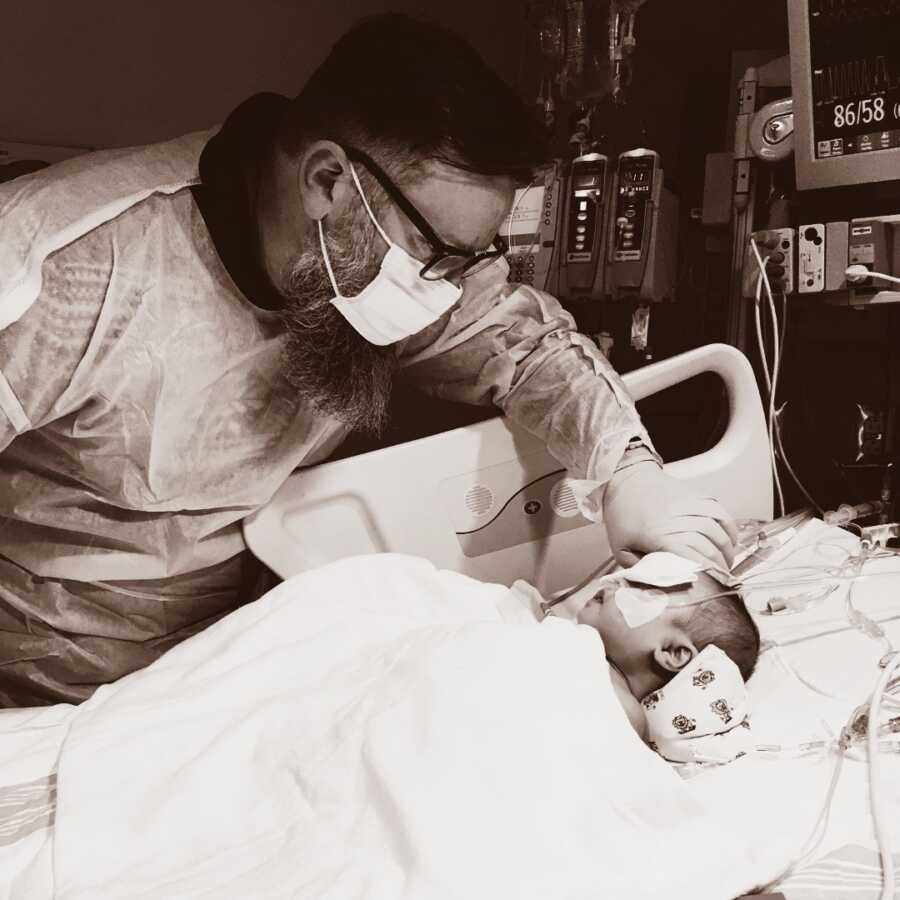
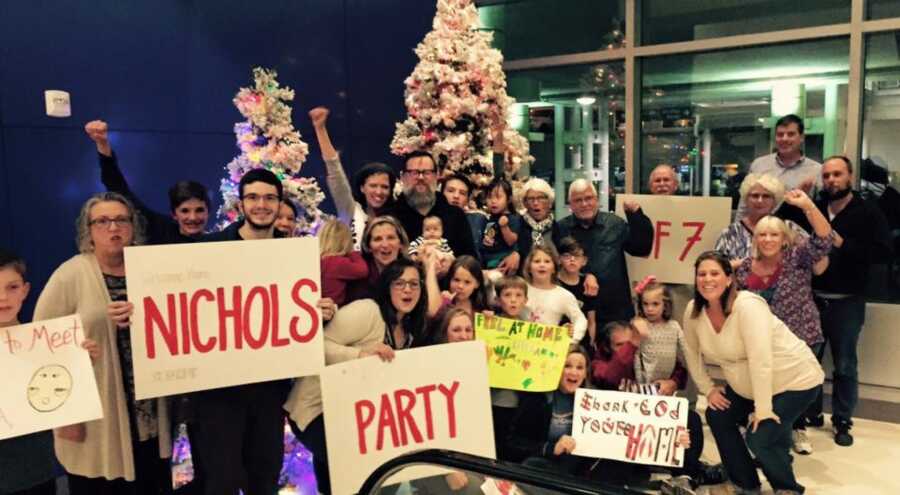
We could say yes to her adoption because of the incredible support we received during and after our first adoption. Friends and community prayed, cried, prepped for fundraisers, and continued showing up with groceries, coffee, and love. Some were learning about adoption for the first time, others walked the special needs adoption path alongside us.
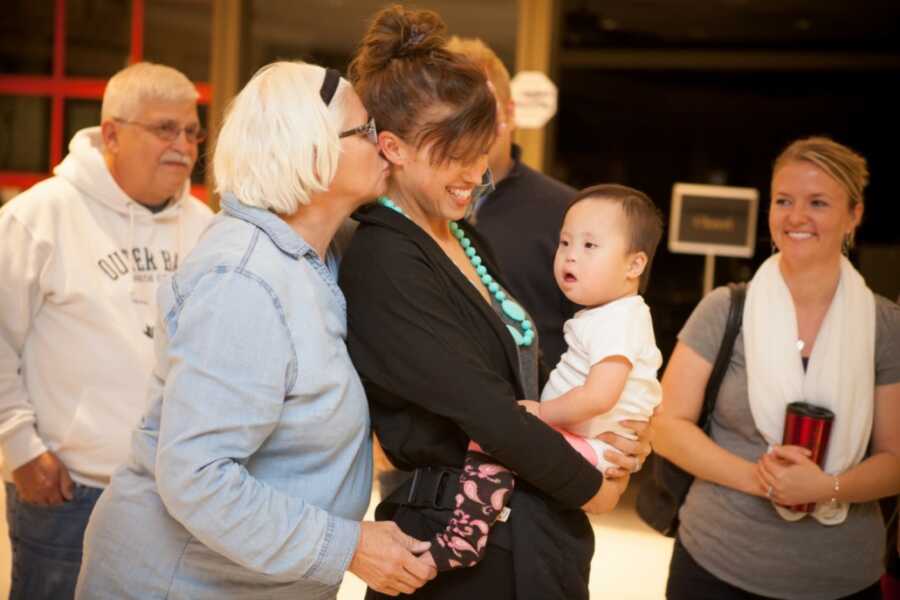
This life isn’t easy. We are in and out of hospitals, juggling therapies, appointments, and the needs of five children, all while keeping our marriage afloat. We live far from family and travel is challenging. Social gatherings are hard. Trauma and medical crises can easily overwhelm our daily rhythm. But our community continues to circle us, holding us up when we can’t stand alone.
People often say they could never do what we do. But the truth is, we are nothing extraordinary. Our home is messy, we forget to charge medical equipment, and we get impatient. What they really mean is that they couldn’t do it without a community behind them.
So we asked: what if we built that community? What if local churches and neighbors rallied to care for children impacted by foster care and adoption? What if more families could say yes? Two years ago, we launched ECHO Family Care Partners, rooted in the belief that every child deserves a safe, stable family, every family needs a caring community, and everyone can do something. It’s all about noticing each other’s needs—biological, foster, adoptive, and kinship—and leaning in.
We’ve seen a shift: “I could never do what you do” becomes “If you can do it, I can do it.” We have the privilege of walking alongside families as they say yes—to adoption, foster care, mentoring, tutoring, or simply showing up. We’re witnessing lives transformed, one yes at a time.