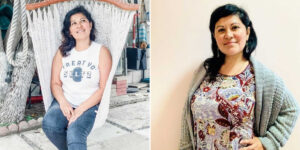
The world shifted for me the moment Chuck said, “I want to have ten kids.”
Honestly, before that moment, I had barely noticed our 22-year-old Canadian teammate. We were in Brazil, part of a group of nearly two dozen, digging two fish-raising ponds by hand at a small Bible school. The school planned to stock the ponds and raise fish as a way to support themselves.
“I want to have ten kids,” Chuck said quietly to another leader.
Across the room, I called out, “Hey, Chuck, do you really want ten kids?”
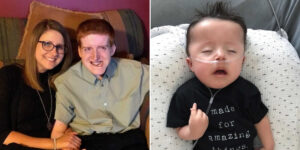
“Yes,” he replied with a shy smile. Chuck was soft-spoken, with bright blue eyes and a smile that lit up the room.
I was 18, about to start my first year of college, and I already knew I wanted a large family. But ten kids? That felt extreme. In my mind, “lots” meant seven or eight, preferably seven—odd numbers just seemed to make sense to me—and nine was pushing it.
By the end of the summer, we went our separate ways. I returned to Alaska, he went back to British Columbia. We exchanged addresses—it was 1994, after all—and began writing letters. Five months later, Chuck came to Alaska and proposed on a frozen chunk of beach ice in January.
We married in May, less than a year after that summer in Brazil. When people questioned our judgment for marrying so quickly, I would shrug and say, “Well, we lived together for 2 ½ months, so I figured we might as well get married.”
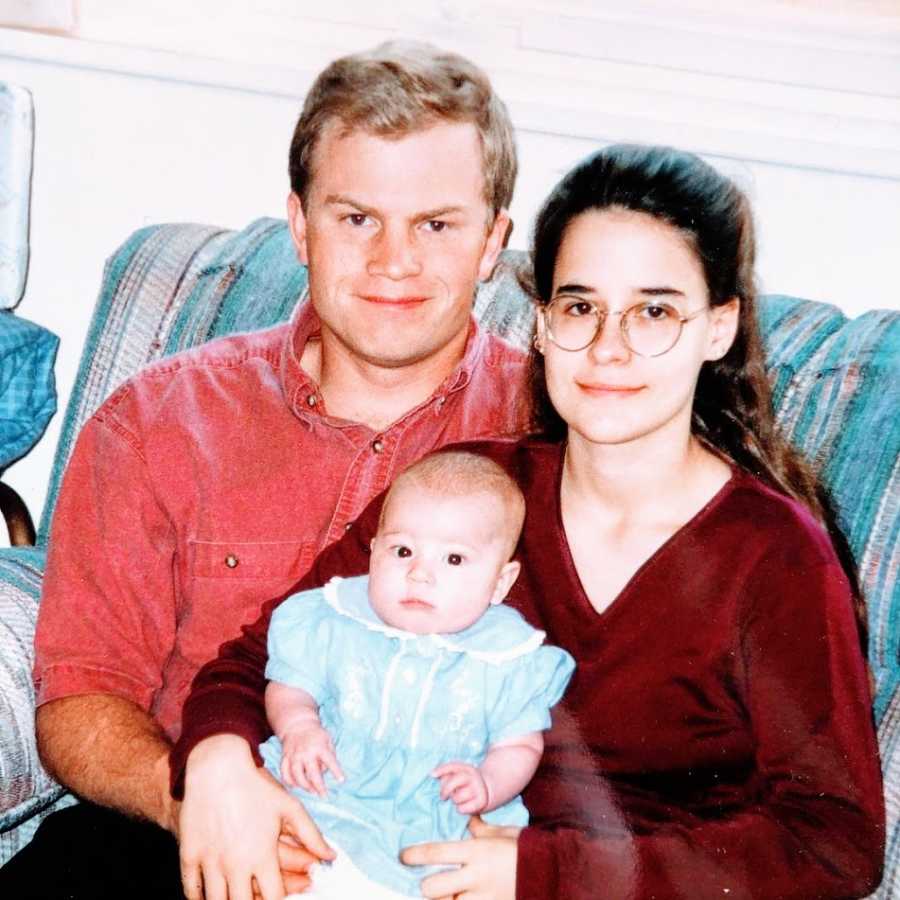
Our first daughter, Adalia, arrived less than a year later. Seventeen months after her, our first son, Judah, was born, and just a year later, Tilly joined our family. Then came Enoch, and exactly twelve months later, Kalina arrived—sharing the same due date a year apart. Five babies in five years and one day.
We thought we had the perfect formula for raising happy, well-adjusted children. Hard work, nutritious food, homeschooling, and a loving environment would keep our children safe and thriving. And adoption had always been part of the plan.
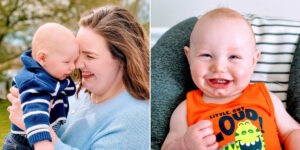
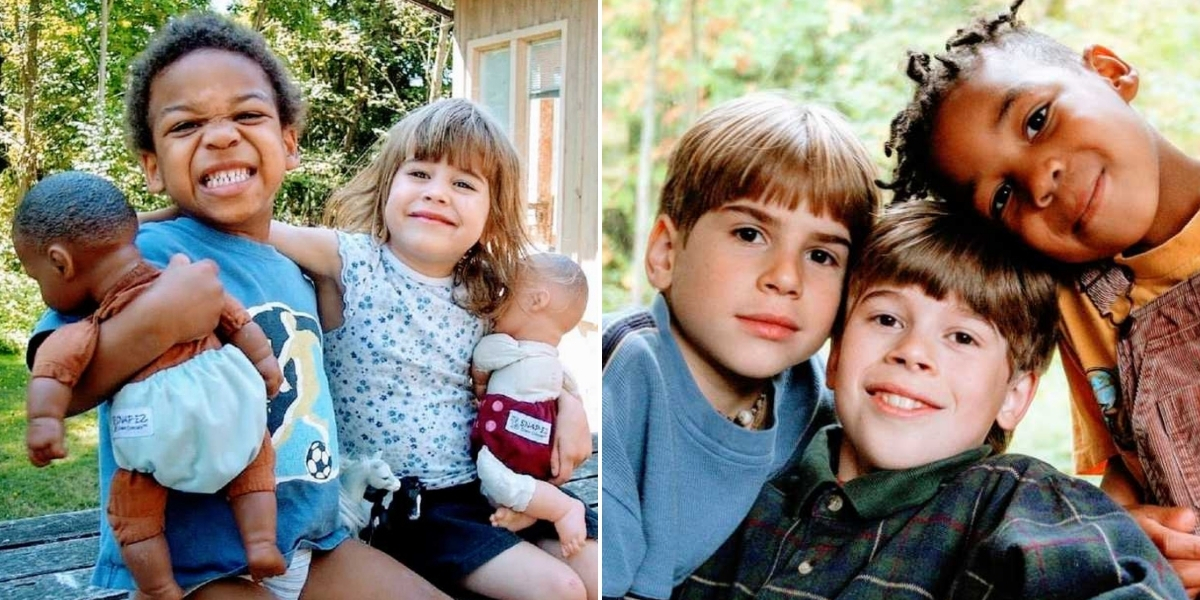
The shortage of foster parents in our state led us to get licensed as foster parents, and soon we welcomed our first adopted child: a newborn boy named Mordecai. He was African American, with a tiny tuft of dark hair, prenatally exposed to drugs and alcohol, and missing a few fingers and toes. To us, he was perfect. To some of our older children, it took time to adjust, but soon they loved him like any brother.
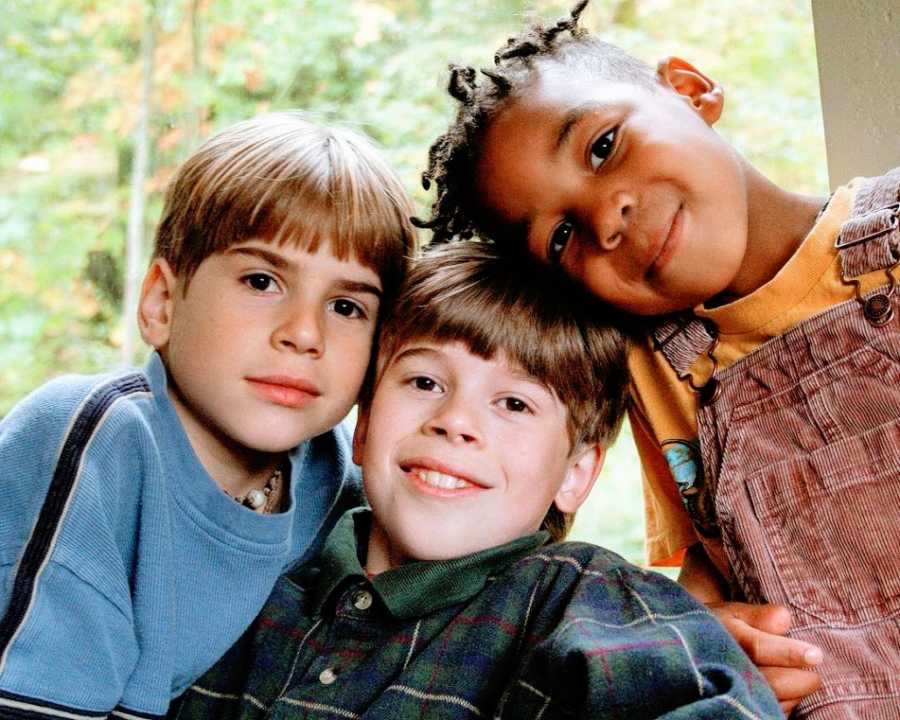
Seven weeks later, we welcomed Jubilee. I breastfed both her and Mordecai, dressing my little “twins” in matching outfits. With seven kids under seven, most of my days were spent at home surrounded by chaos and joy.
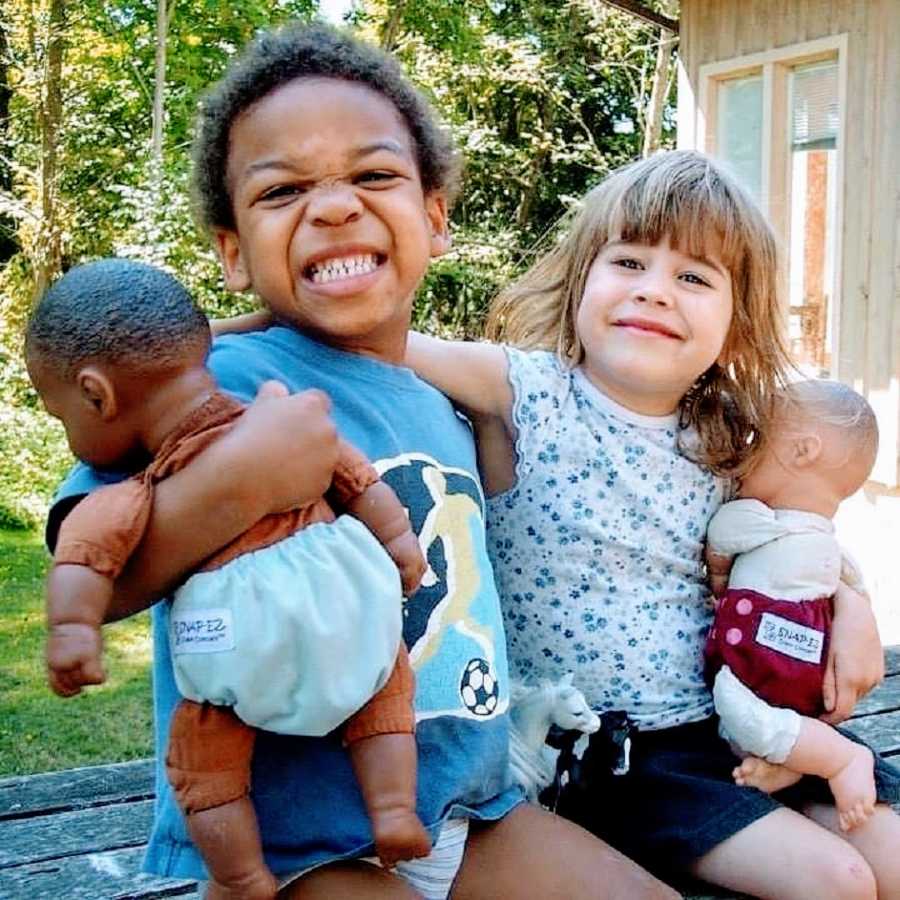
Adopting a drug- and alcohol-exposed infant brought challenges we hadn’t anticipated. Mordecai struggled to eat and slept almost constantly for the first few weeks. Then one day, he seemed to realize where he was and began screaming inconsolably. My days became a blur of cooking, laundry, homeschooling, and carrying a screaming baby in my arms or strapped to my back. He earned the nickname “Morde-cry.” I was tired, but at 27, youth was on my side.
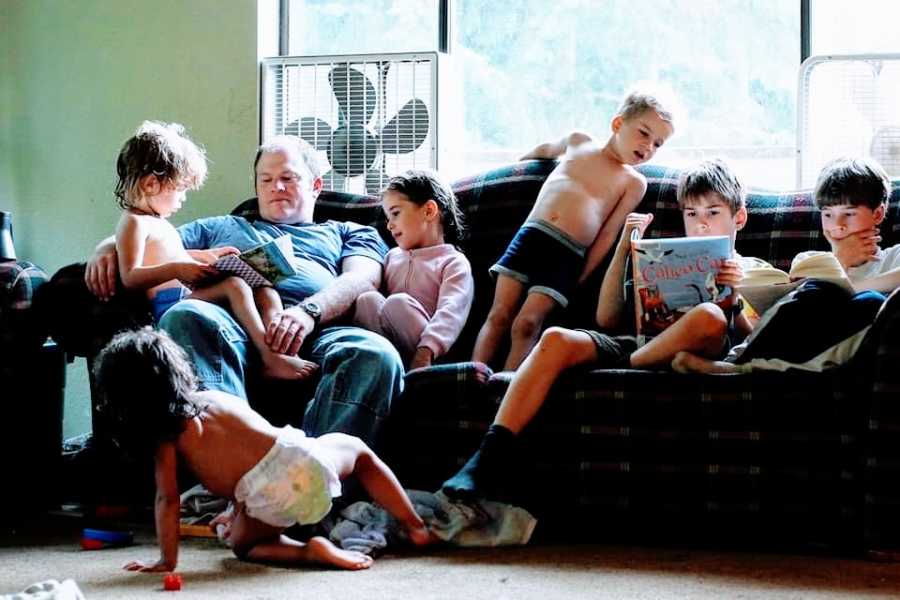
We bought a bigger house to accommodate our growing family. Within a year, Hezekiah was born—a calm, easy-going baby. This led us to consider adopting again. We wanted Mordecai to have siblings who shared his experience.
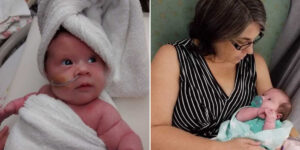
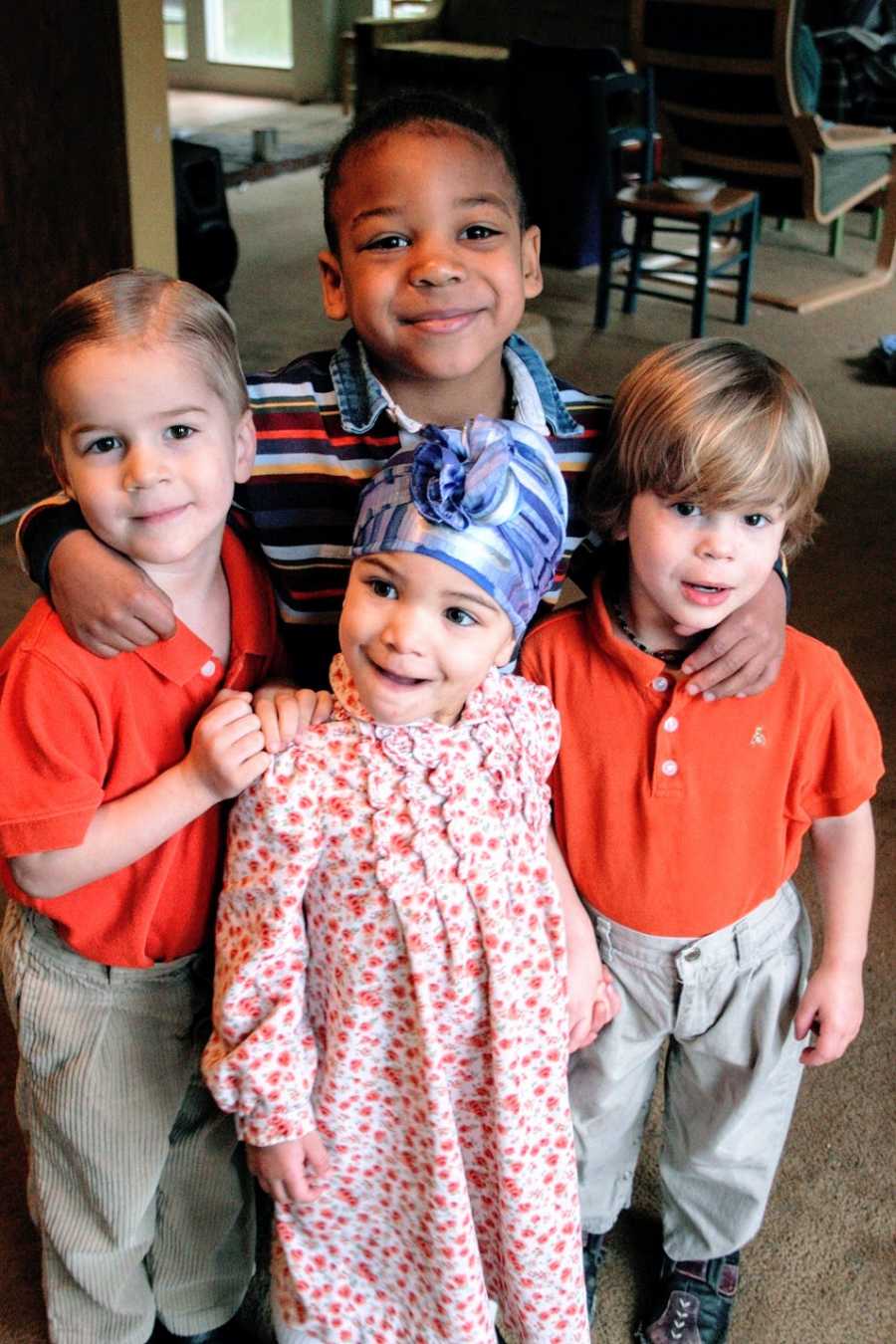
Ironically, while we welcomed many types of special needs children, we had avoided medically fragile babies. Then one summer afternoon, a social worker called: “We have a three-day-old biracial girl, addicted to cocaine. Do you want her?”
I was stunned. Three days old? But we said yes. That evening, Chuck and I drove to pick her up while I was six months pregnant with our ninth (and now tenth) child. Tucker was born just months later, joining Avi, whom I also breastfed.
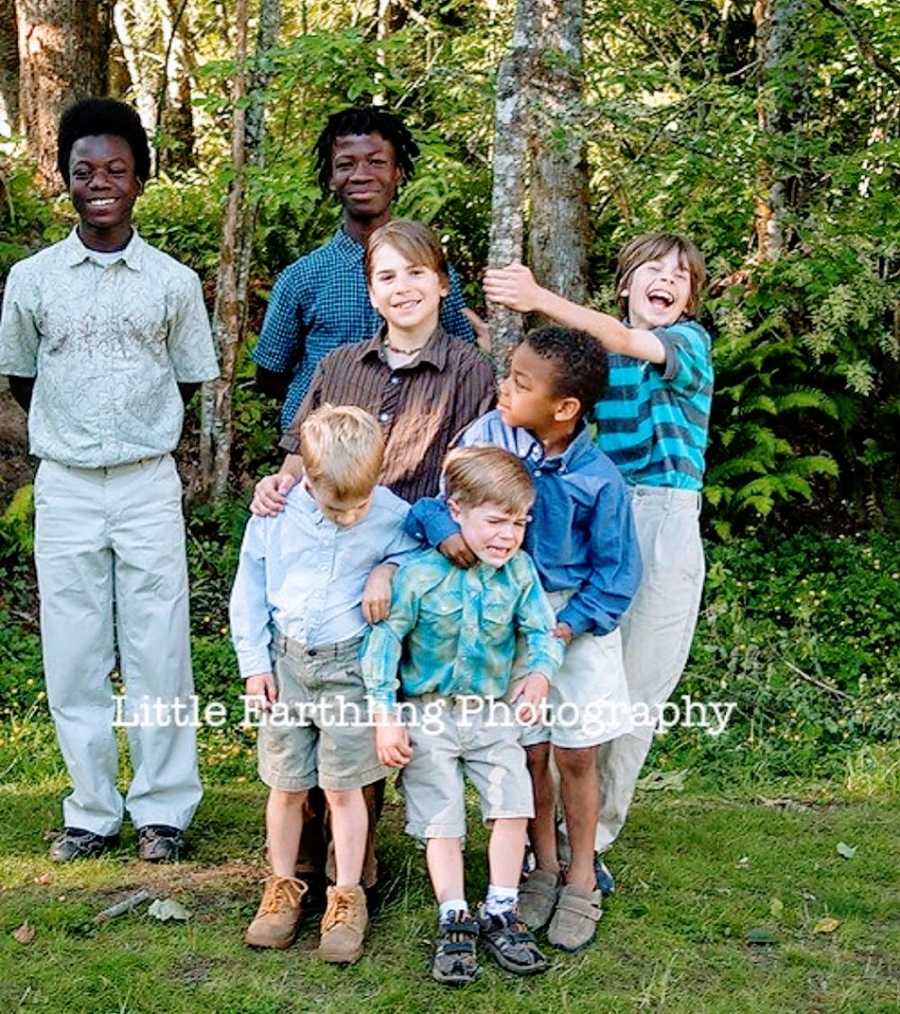
By 2007, we brought home three teen siblings from Liberia, devastated by civil war. Keziah, the oldest, bonded instantly with Adalia. Ezra and Boaz grew quickly, adapting to a life filled with LEGO bricks, puzzles, and routines. They all eventually gained independence while maintaining ties with family back home.
Thirteen children felt like enough. But as our lives remained full, we added one more—Apollo, born in 2010 via emergency C-section after a cord prolapse. He was fussy and difficult, and at 34, I wondered if I could handle him.
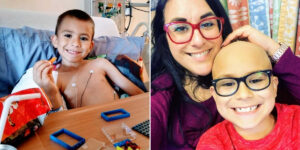
Just when we thought we had parenting figured out, Apollo, 20 months old, was diagnosed with a double aortic arch. The next months were a whirlwind of surgeries, feeding tubes, and doctor visits across Texas. But in those moments, we learned what we were truly capable of. Our older children stepped in, showing compassion and resilience beyond their years. Together, our family grew stronger.
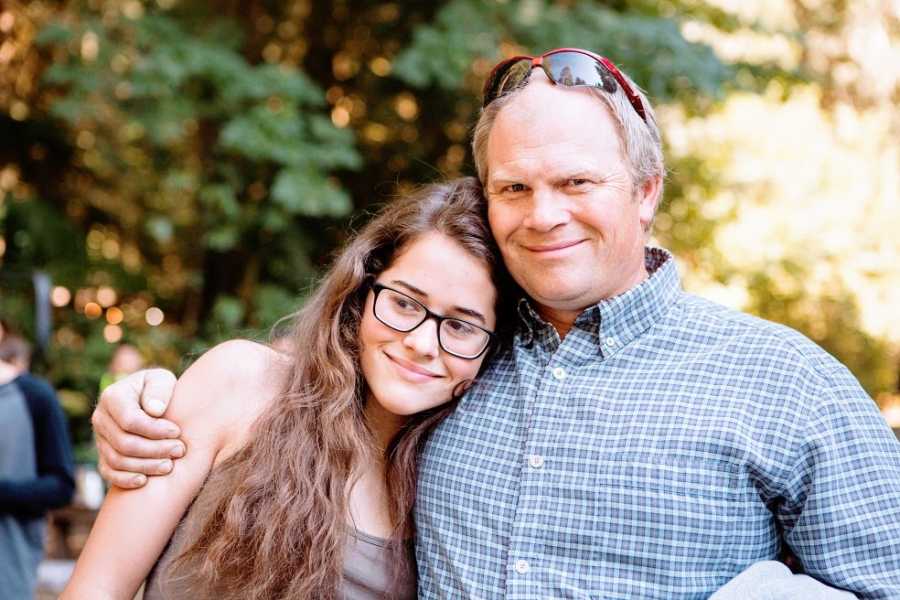
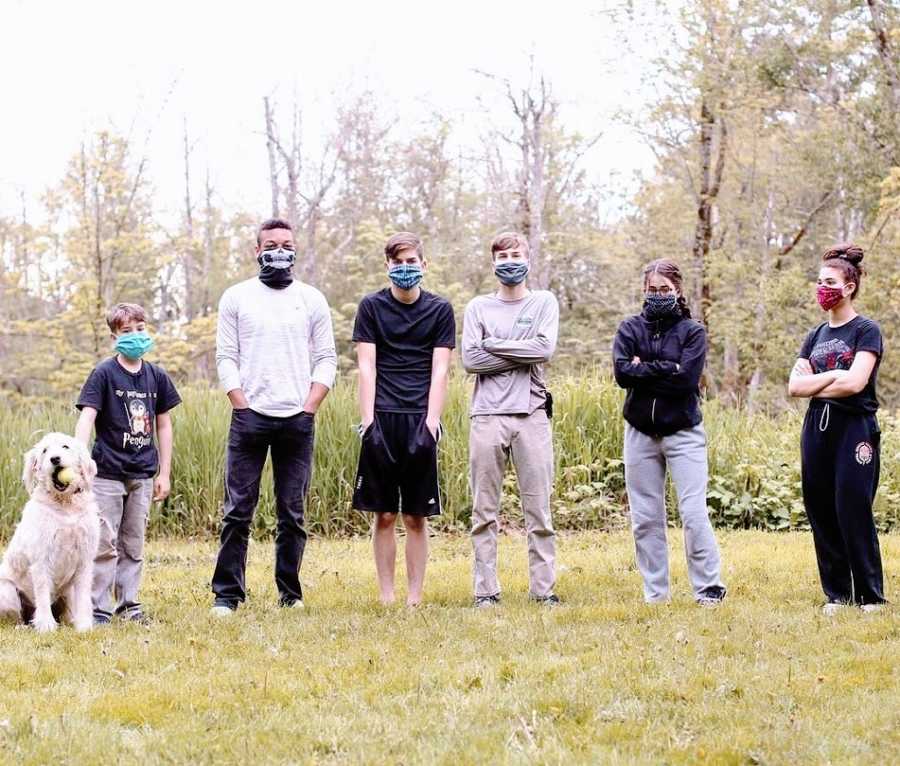
Today, in 2021, our oldest eight children are independent adults. Apollo, now 11, is healthy and thriving. Six children remain at home, aged 11–18. Life has slowed a bit, but we treasure these moments with our family—and our four grandchildren.
Looking back, I see every challenge, every sleepless night, and every heartache as part of a beautiful journey. A journey that started with a shy smile in Brazil and led to a home overflowing with love, laughter, and a little chaos too.