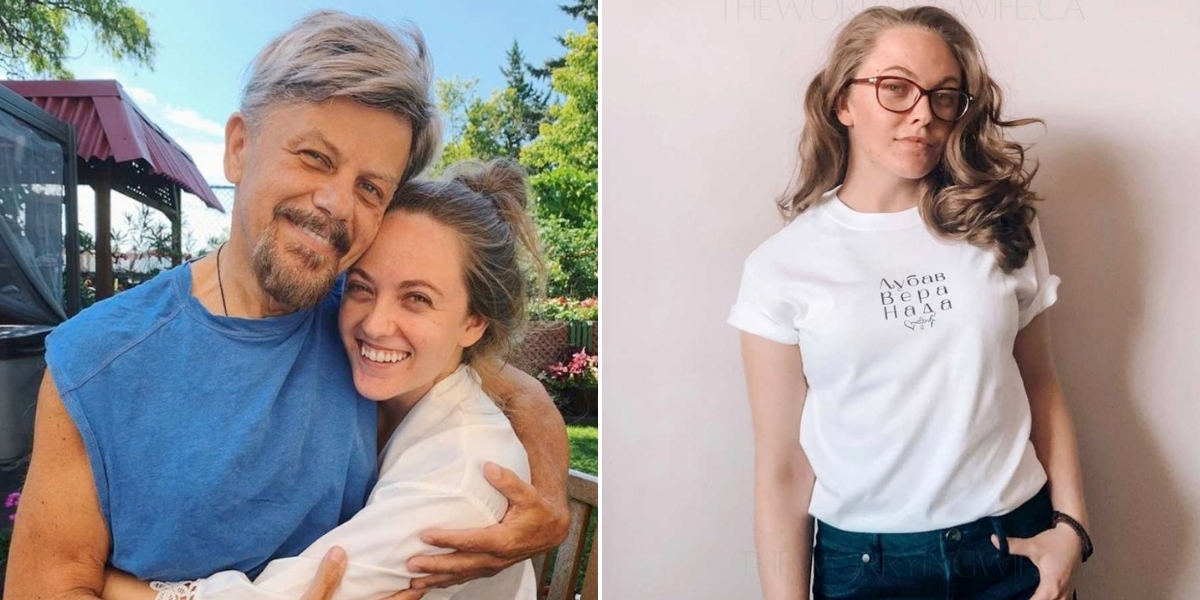
At 6:43 a.m. on November 27, 2019, my phone rang. The words on the other end were simple but shattering: “Your dad is gone.” At that moment, I didn’t collapse. I didn’t sob uncontrollably. I didn’t panic or even feel surprised.
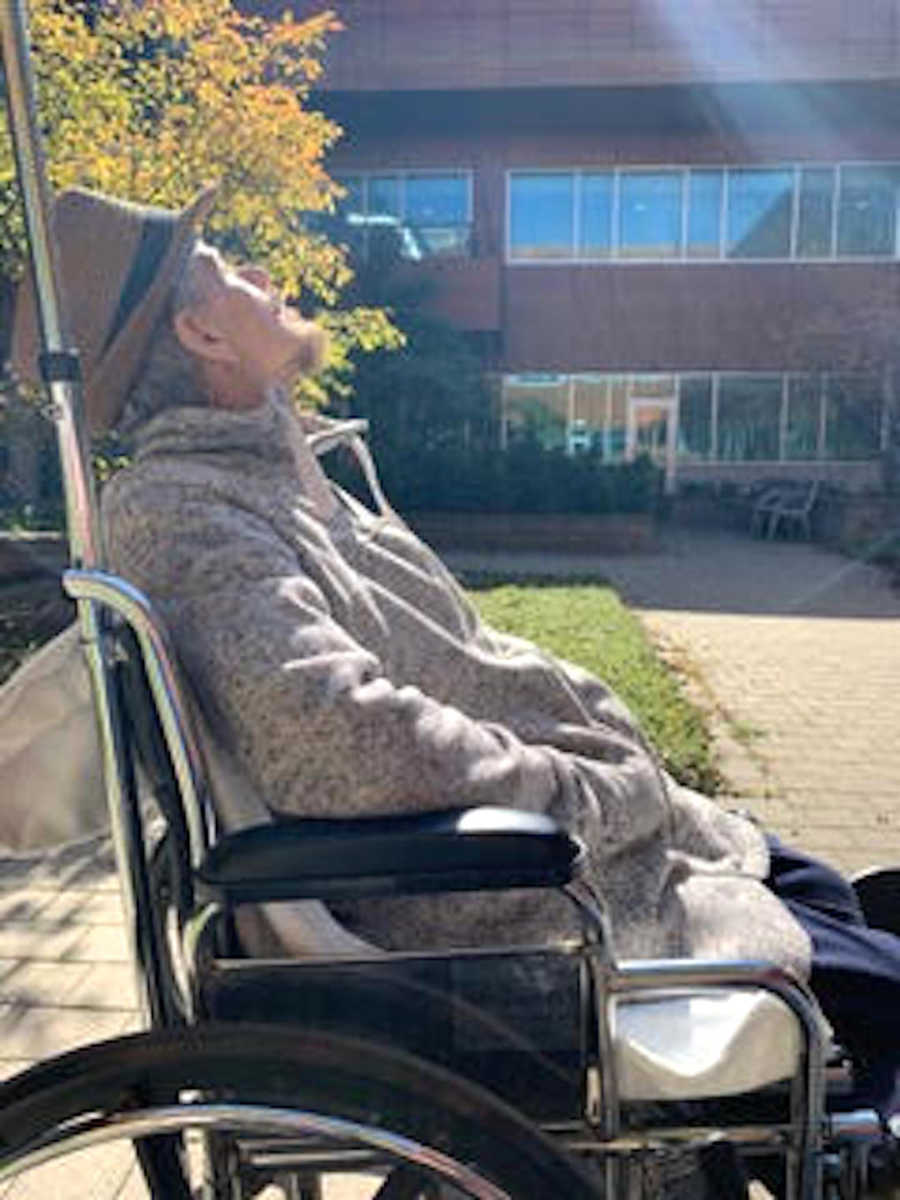
For the first time in months, I felt a strange sense of relief. Not because my relationship with my father was anything less than perfect. On the contrary—he had been my anchor, my confidant, my absolute rock. But he had been suffering for months, and hearing someone who shaped the person I am today quietly plead for the end of their pain is an indescribable experience. “How much longer do I have to feel like this?” Those words echoed through my mind, forever changing the way I understood love, grief, and family.
The morning my mother called, I was alone at home. I had spent countless sleepless nights at the hospital, watching over him, praying he would endure, or at least be spared from further suffering. But that last night, I simply couldn’t stay. I had to step away, even for a few hours, from the constant fear of hearing him stop breathing. I whispered my goodbyes one last time, prayed endlessly for his suffering to end, and returned home. I prepared the house, laying out his clothes for the funeral and organizing everything for family and friends who would soon come to support us through this grueling chapter.
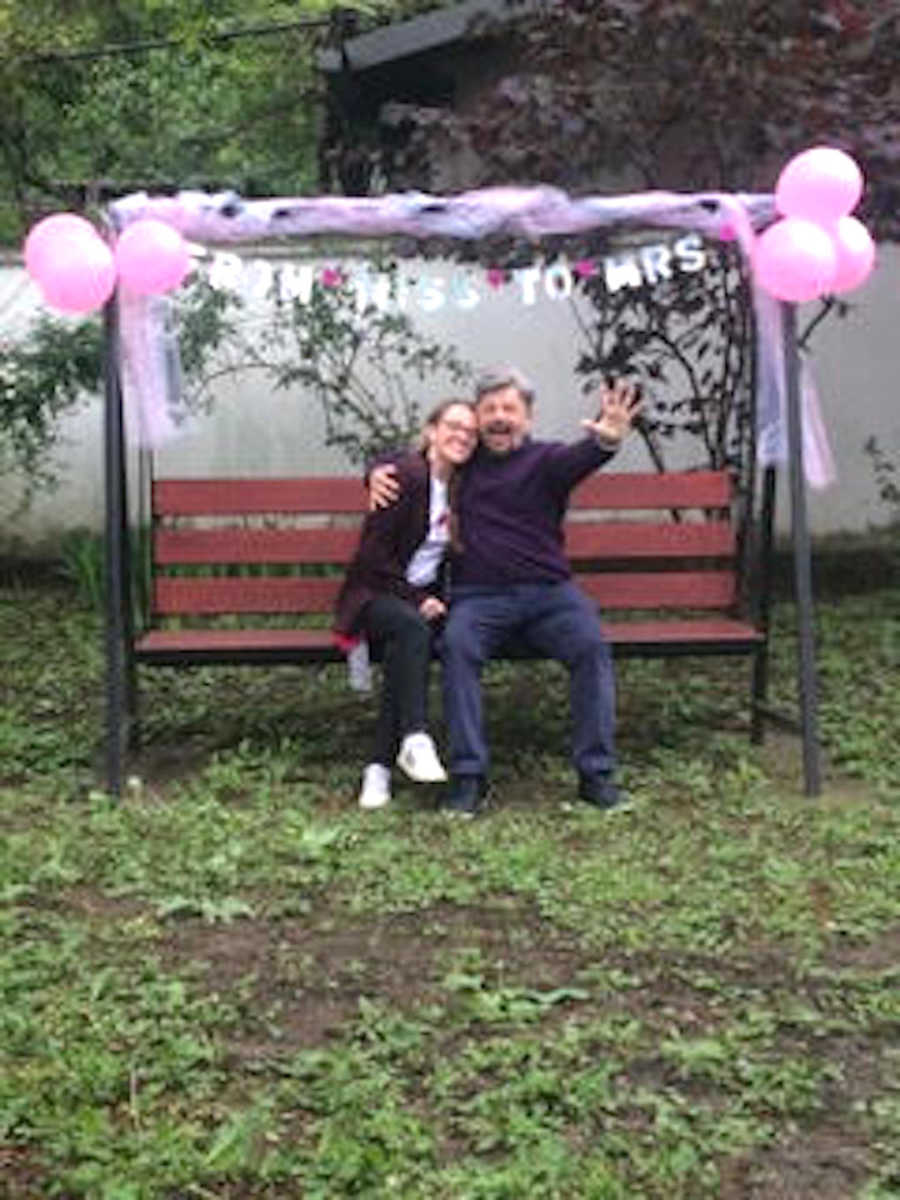
I am grateful for those last months of his life. We had seen this before—pancreatic cancer had taken every male on my paternal grandfather’s side. We knew what was coming. In June, abnormal blood tests confirmed it, but the shadow had been cast even earlier—in December 2018, when he was rushed to the hospital with a bleeding ulcer. My parents, my sister, and I sensed the inevitable, while many friends and family struggled to reconcile the vibrant man they knew with the suffering he could no longer hide.
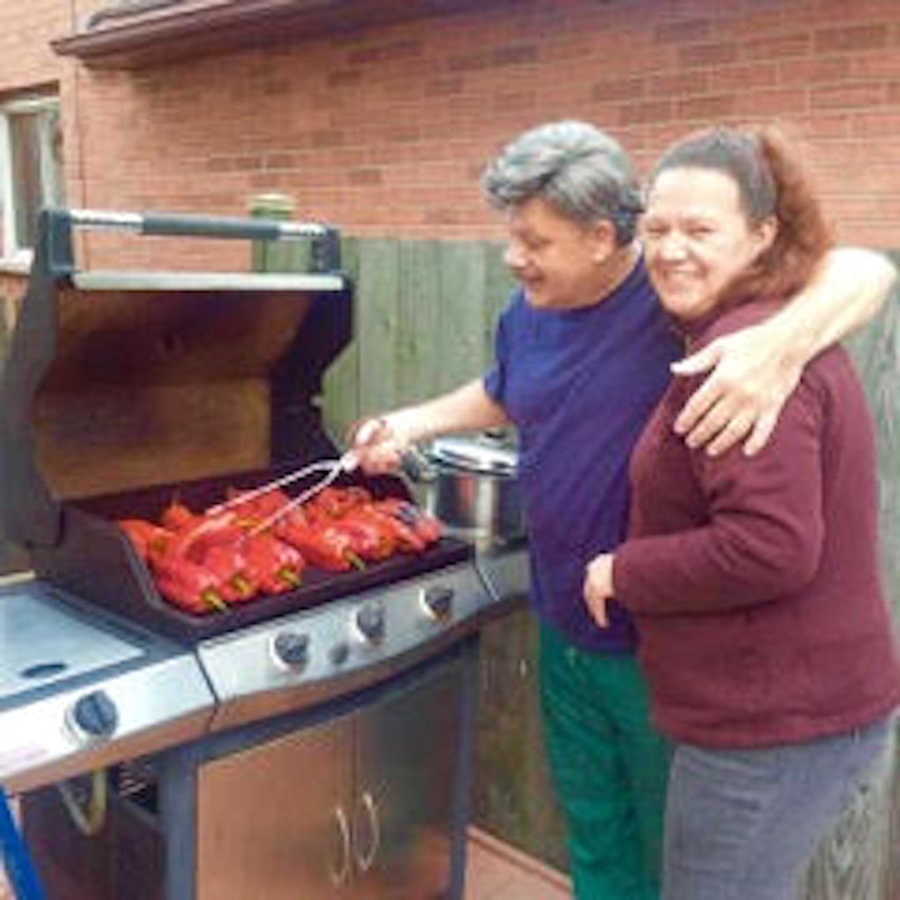
When he called me in early June, I knew it was time to move back to Canada. Just the month before, my family had been in Serbia for my wedding celebration. Yet in his voice, I heard the finality of time. From the moment I landed, every minute was spent soaking in what little remained of our time together.
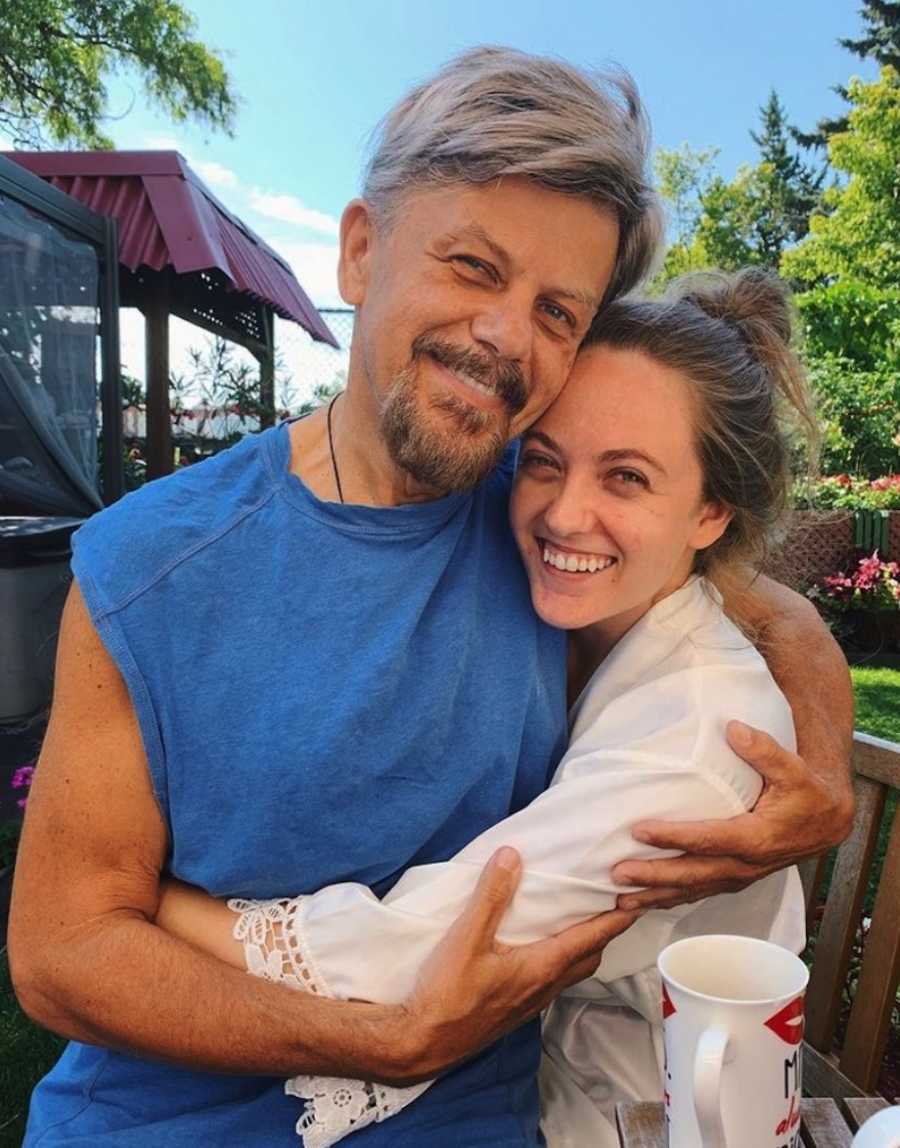
Imagine being my parents: first-generation Canadians who dedicated their lives to healthcare, only to find themselves failed by the very system they trusted. Pancreatic cancer is notoriously difficult to diagnose. By the time it reveals itself, it is often too late for effective treatment. Despite abnormal bloodwork, an inoperable tumor, and fluid building in his abdomen that restricted his breathing and mobility, repeated scans and tests returned inconclusive results. In October, a doctor discharged him with the words, “Sir, you are ready to go home. You do not have cancer.”
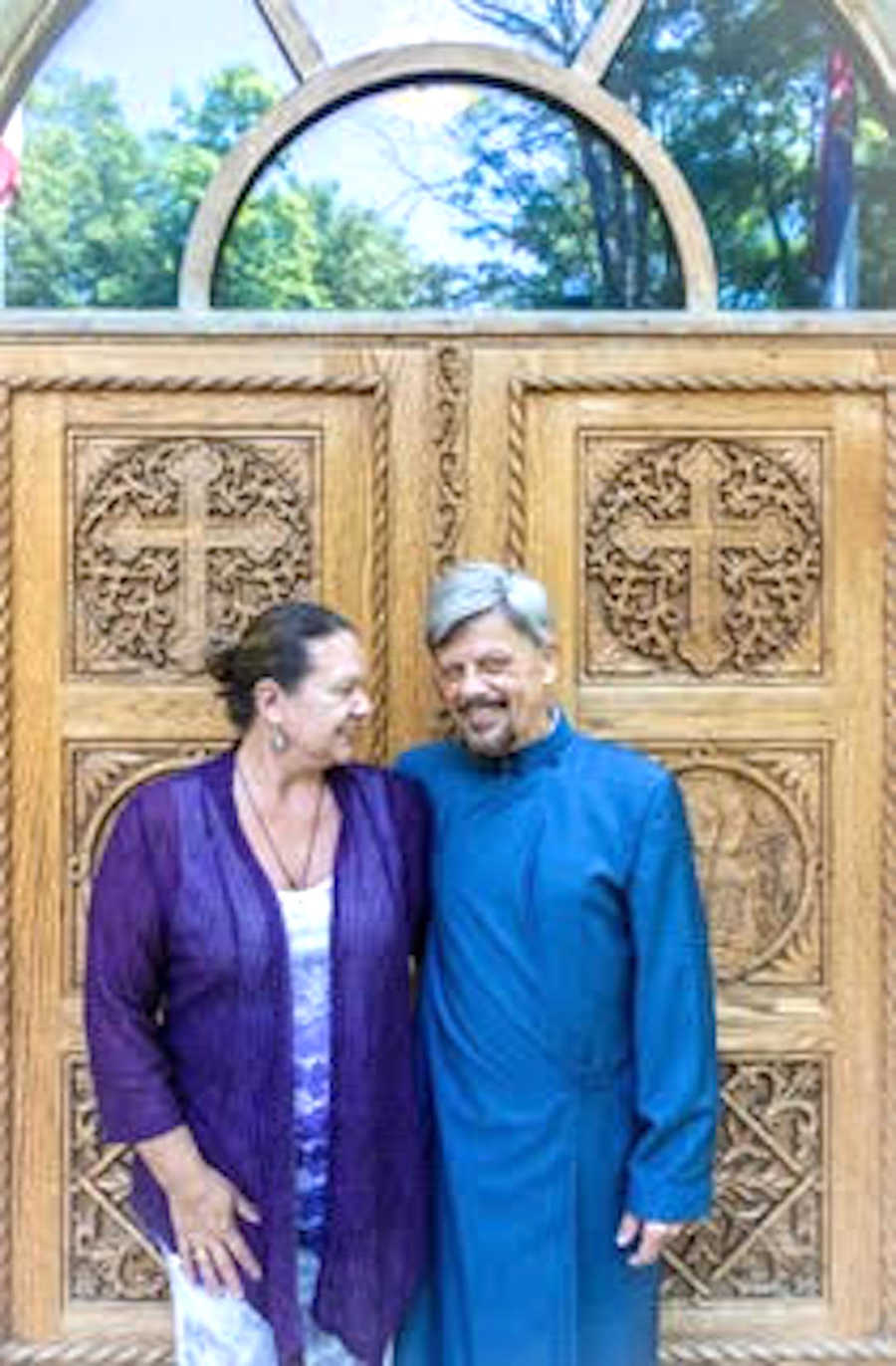
Nine days later, we were back in the hospital. But no one had solved the problem. A wall of bureaucracy, miscommunication, and medical confusion separated us from answers. My mother, sister, and I battled with doctors, residents, and specialists, all saying different things. Through it all, my father suffered, yet he remained resolute, trusting his team even as he sensed the end was near.
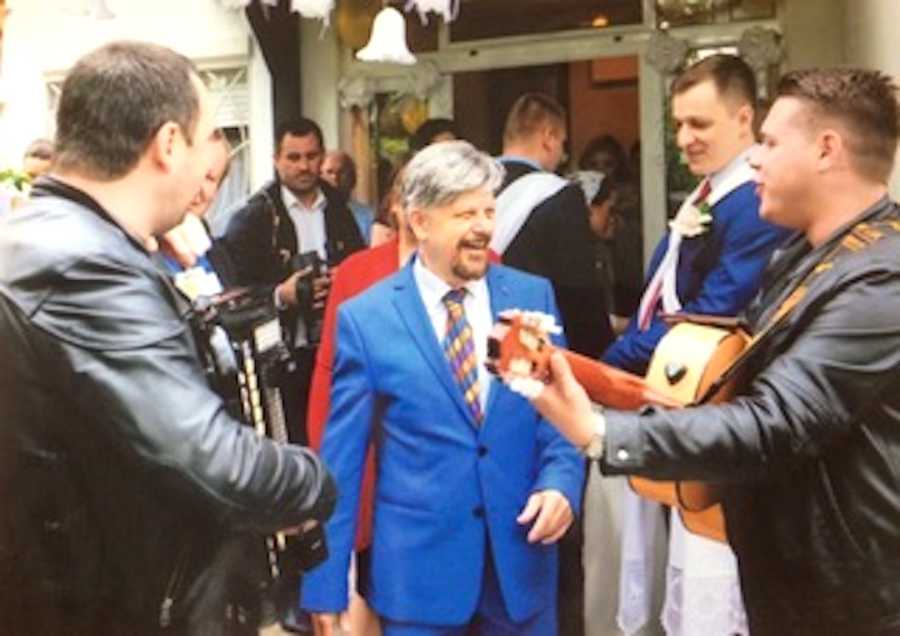
Finally, just ten days before his passing, he received a definitive diagnosis. Pancreatic cancer had revealed itself in the fluid filling his abdomen. He was finally transferred to the oncology ward, where he should have been months earlier. Only then did doctors take his family history seriously, identifying the genetic pattern, and finally, the geneticist drew his blood just in time.
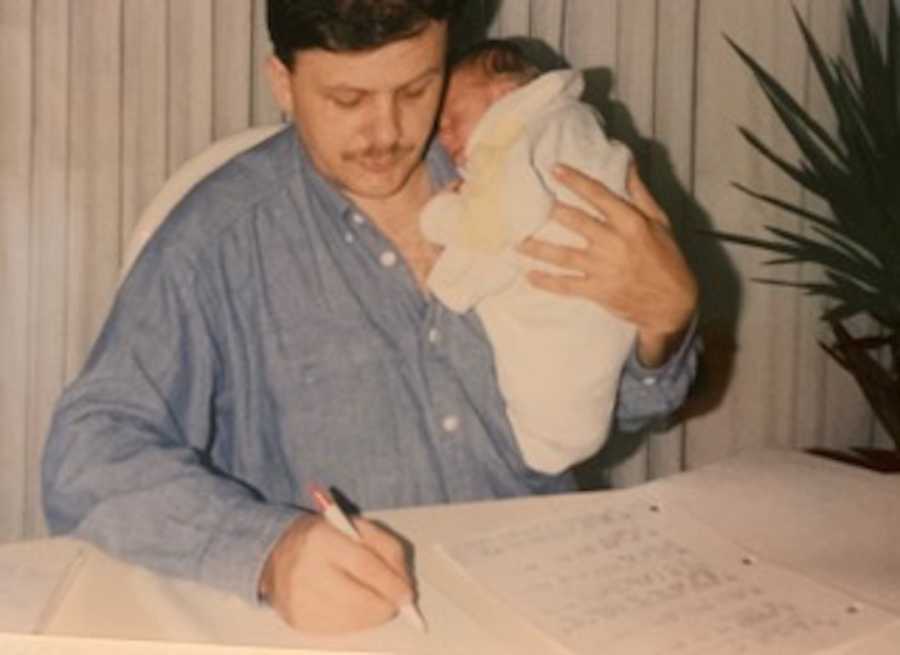
For weeks, we sat through the inevitable speeches: “It’s time to prepare yourselves.” I was caught in limbo, overwhelmed with anger and guilt, mourning a father I would lose at only 25. I grappled with the reality that he would never witness my sister finish her Ph.D., meet his grandchildren, or see my husband fully settle in Canada. Those years abroad, pursuing my own life, now felt like a series of missed moments, a heavy burden of guilt I carried quietly.
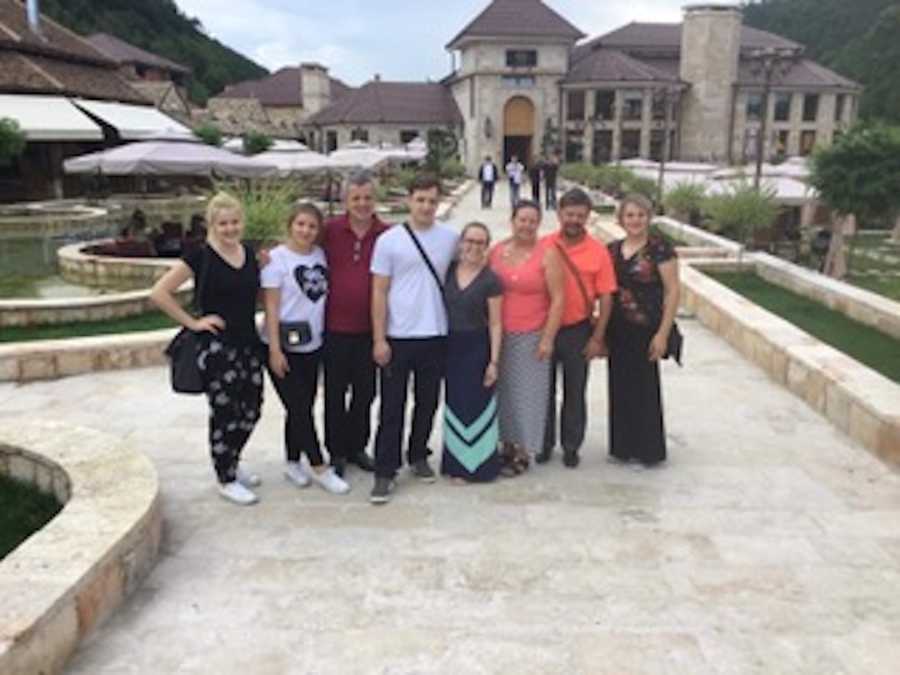
For the first two days after his passing, our house was alive with family and friends, surrounding us with love and shared grief. We laughed, cried, and celebrated the essence of the man we had lost. On the third day, I checked online and discovered that my husband had received his Canadian Permanent Residence status—approved on November 28, just one day after my father passed. What usually takes months or years had happened in just four and a half months. I took it as a sign from my father, a reassurance that life would continue, that love would still find its way into our lives. On December 31, 2019, my husband landed in Canada, beginning a new chapter alongside me.
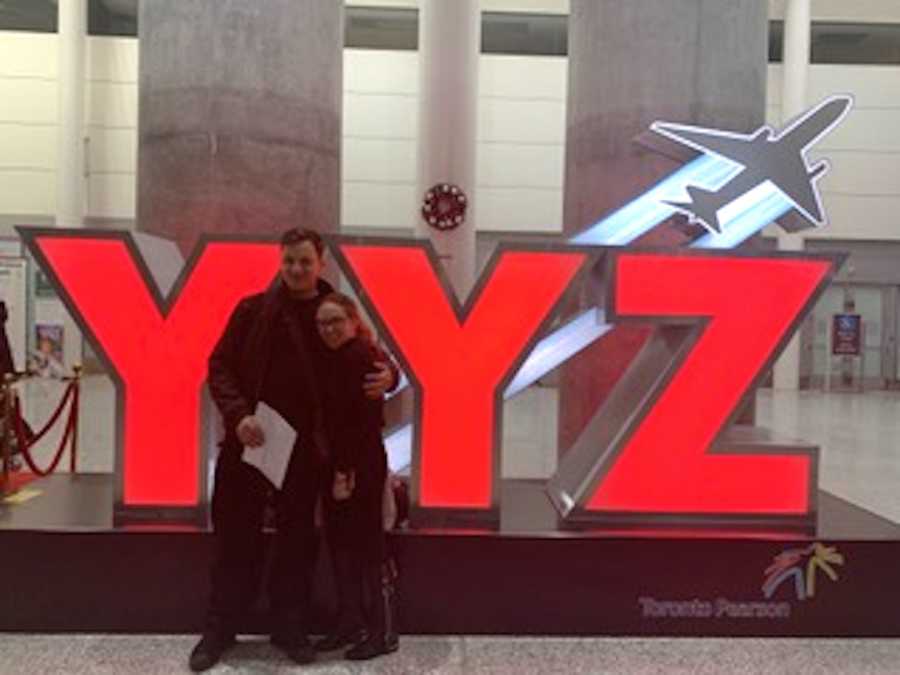
Then, a pandemic hit, abruptly changing everything. I often think about how my father never had the chance to live in a COVID-19 world. My heart aches for families now separated by restrictions, unable to share final moments. These reflections deepen my gratitude for the time we did have. I urge anyone facing a loved one’s illness to capture every memory—photos, videos, conversations. They become priceless anchors when grief arrives.
Since his passing, my family and I have embarked on a journey of healing and purpose. We support initiatives for pancreatic cancer research and provide medical supplies to families in crisis. I’ve started a blog and small business, focusing less on my career and more on presence, healing, and helping others navigate life’s chaos.
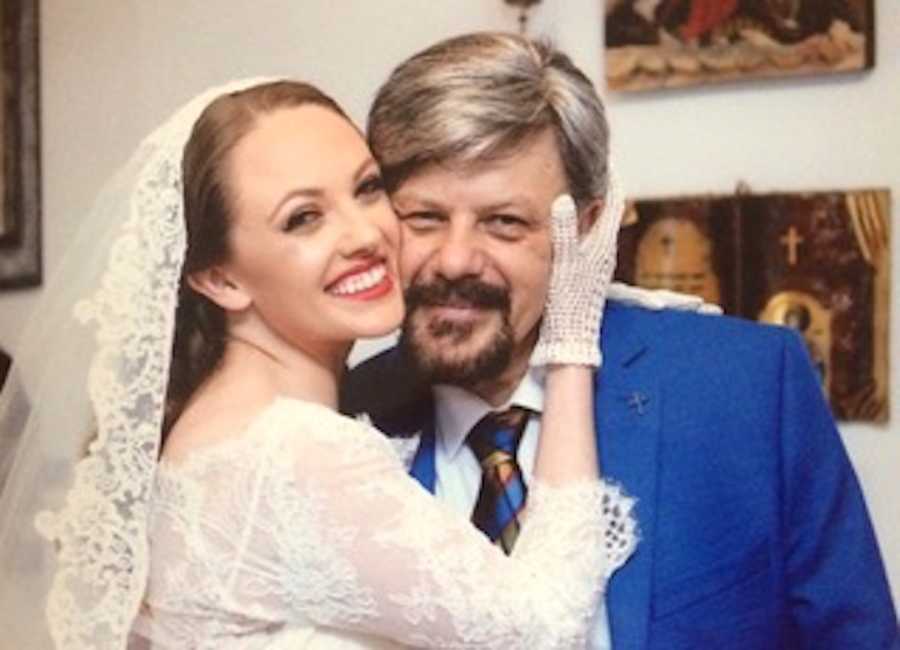
My father didn’t teach me how to live—he showed me. Until his last moments, he was full of life, humor, and selflessness. His legacy inspires me daily to be a better wife, sister, daughter, and friend. The shadow of genetic pancreatic cancer looms over my life, yet it has strengthened my resolve. I refuse to allow fear or negativity to dictate my choices. I don’t know if I will face illness like he did, but I am determined to be someone I can face in the mirror with pride.
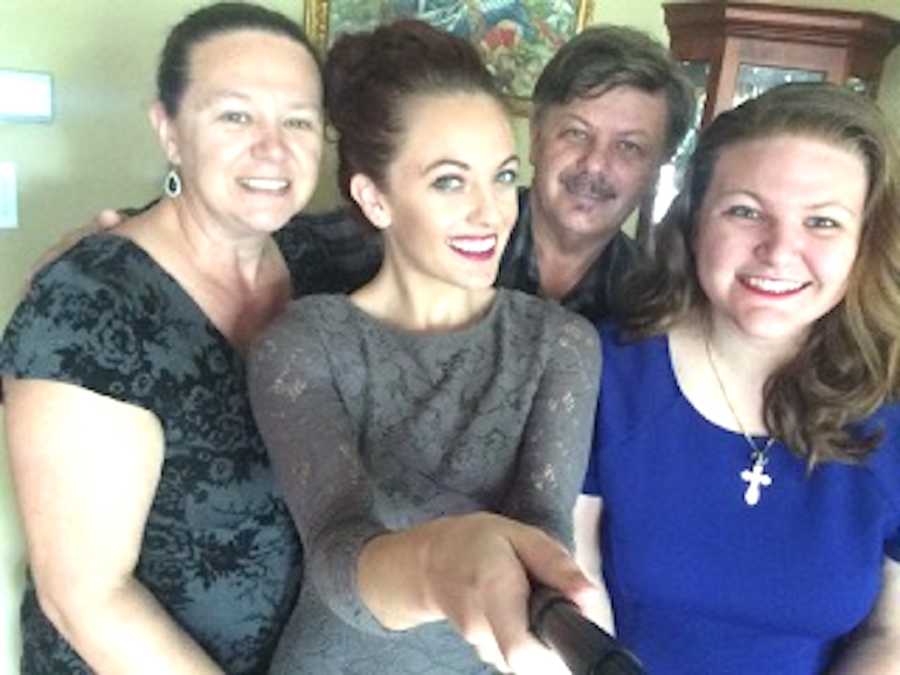
This world feels new and uncertain, yet hope remains my anchor. Even when hope no longer meant recovery for my father, it meant freedom from suffering. I continue to cling to hope—for my family, for the life we still have, for moments of connection amid darkness.
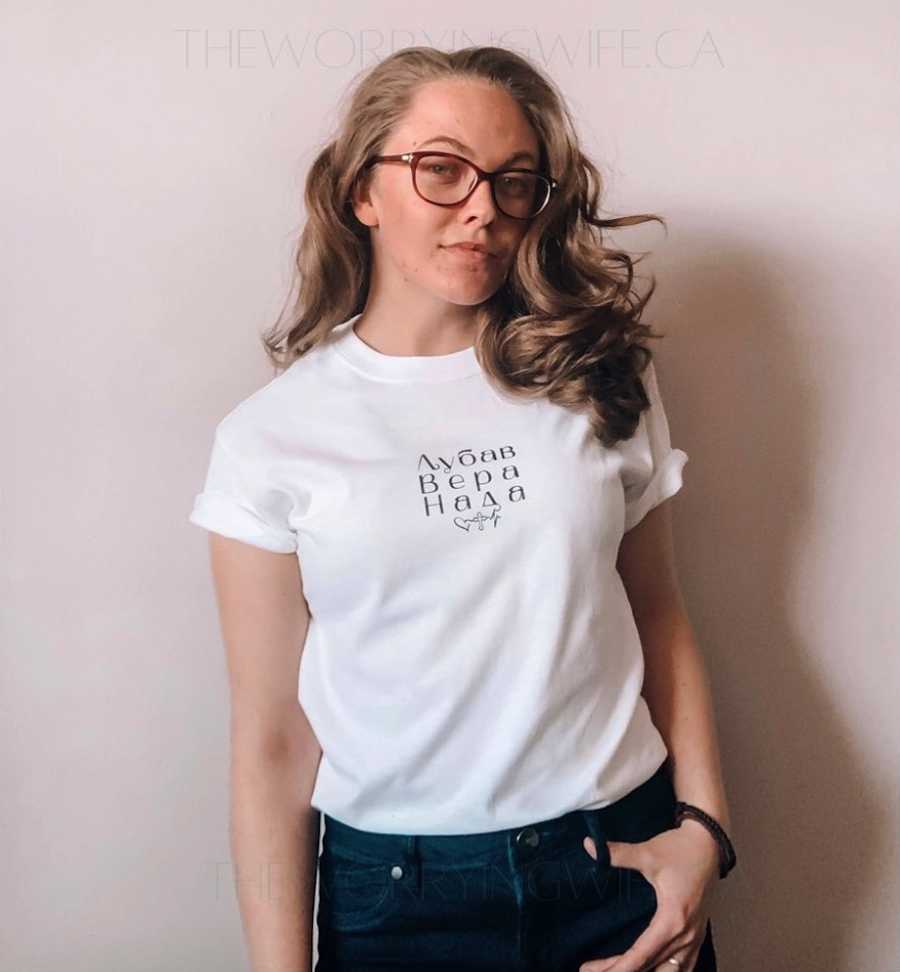
My father’s illness was swift, yet drawn out. I am grateful for every minute we shared. Hundreds of people lose loved ones in an instant, and words can never truly ease their pain. What I can offer is my story: the heartbreak, the grief, the anger, and the way I continue to rise each day. Life’s chaos cannot be neatly resolved, but sharing our experiences reminds us we are not alone. I am here. I am present. I am grateful for the struggles that brought me to today—and for the lessons my father taught me simply by living, loving, and letting me watch.