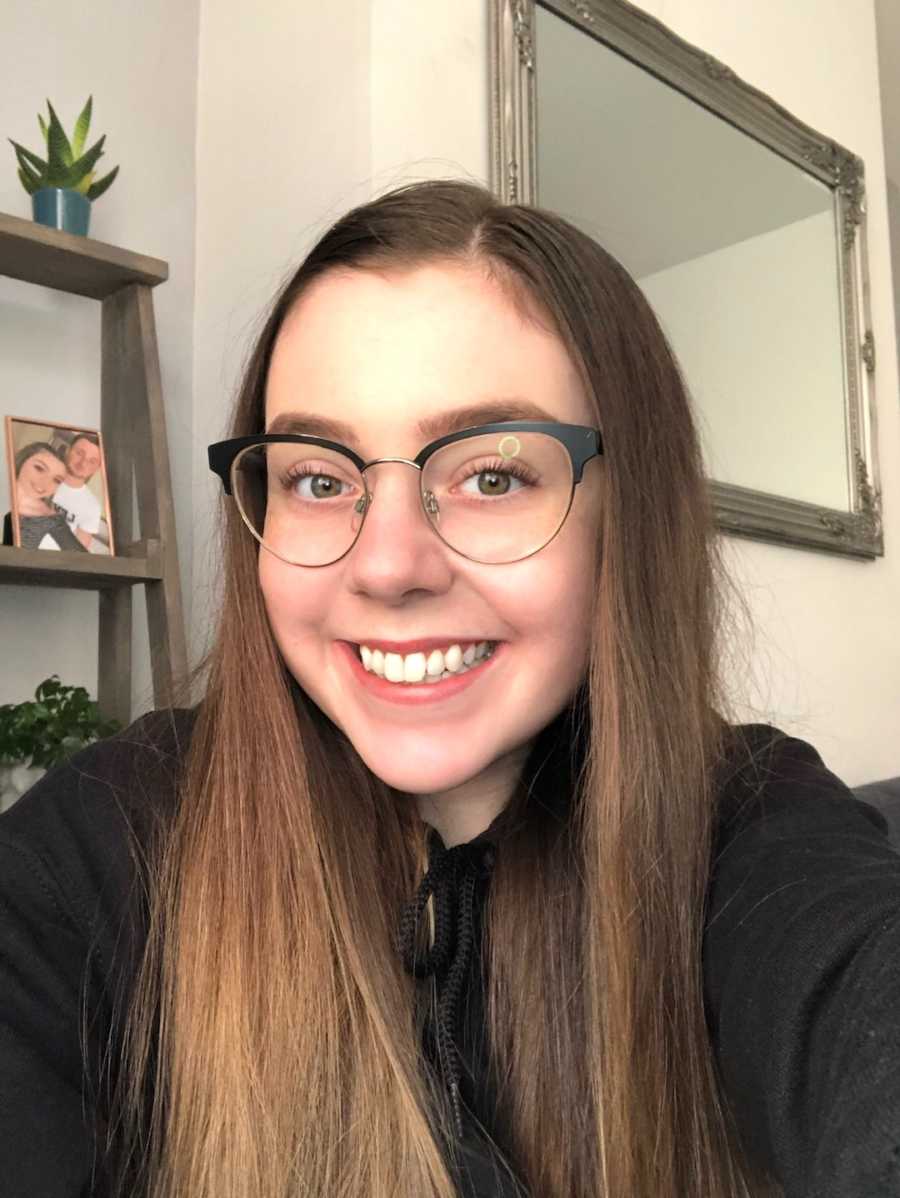
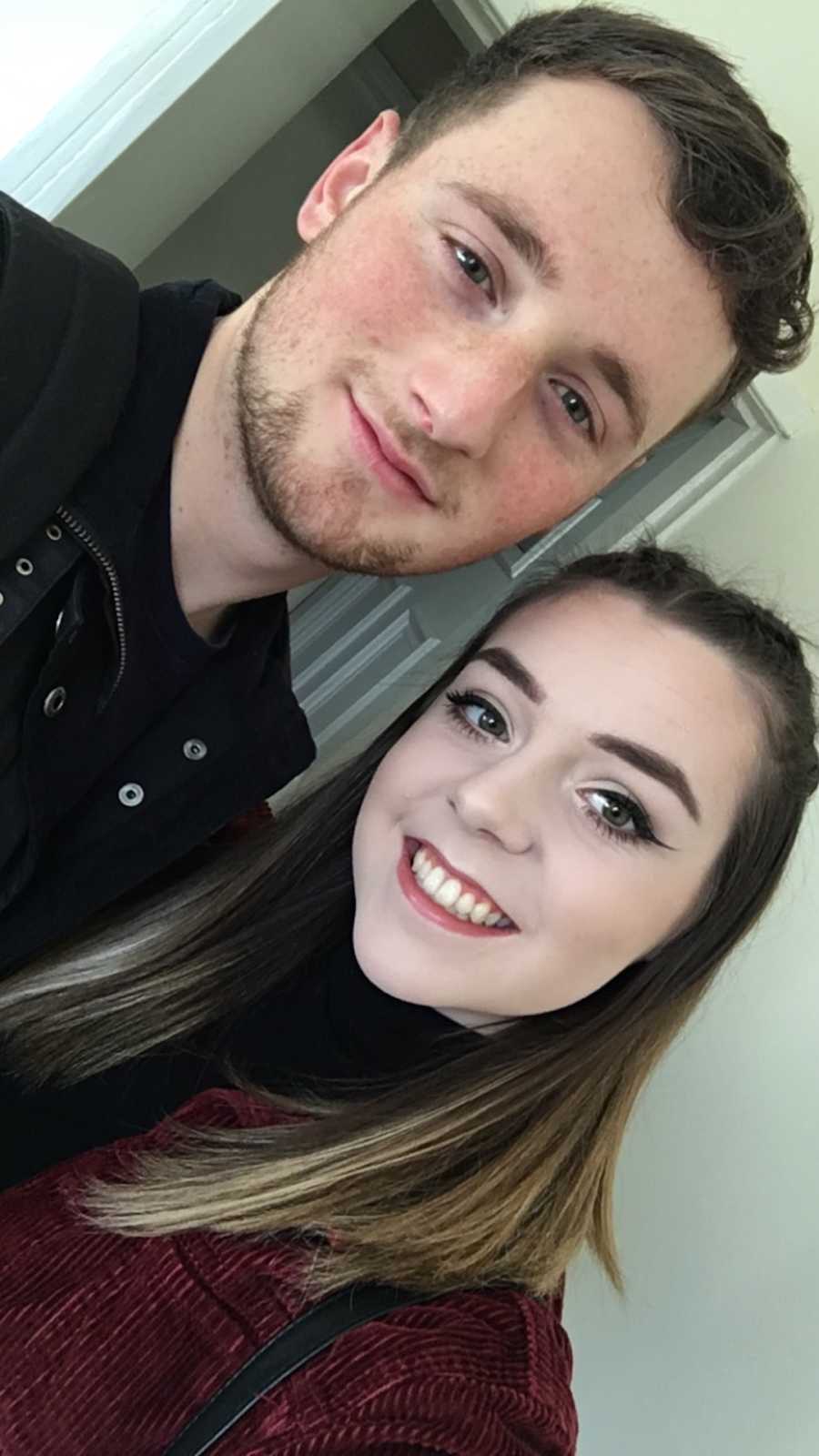
These past two years have been an absolute roller coaster for my health. But I’ve always wanted to be open about my journey—not just to share my story, but to raise awareness about my illnesses and to remind anyone going through something similar that they are not alone. My name is Rachel, I’m 21 years old, and I live in Lincoln, UK. I’m originally from Northamptonshire but moved to Lincoln in 2018 for university, and even after graduating, I’ve stayed in this beautiful city with my boyfriend, Adam.
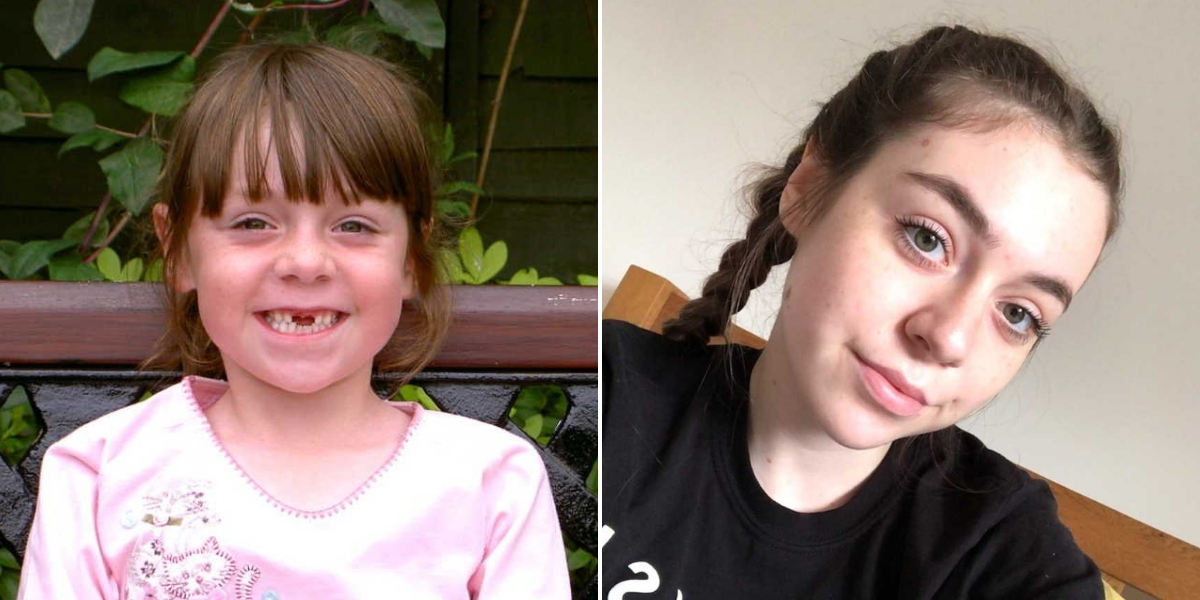
Let’s rewind all the way to my childhood. I was a happy little girl who loved family holidays with my mom and dad, especially trips to Devon and Cornwall. I was known for my humor—if I say so myself! But alongside that, I was shy, anxious, and very quiet at school. I struggled to speak up or assert myself. My body, however, had its quirks: I was incredibly clumsy, often fracturing bones, and I had clicky hips—but otherwise, there weren’t any major health issues.
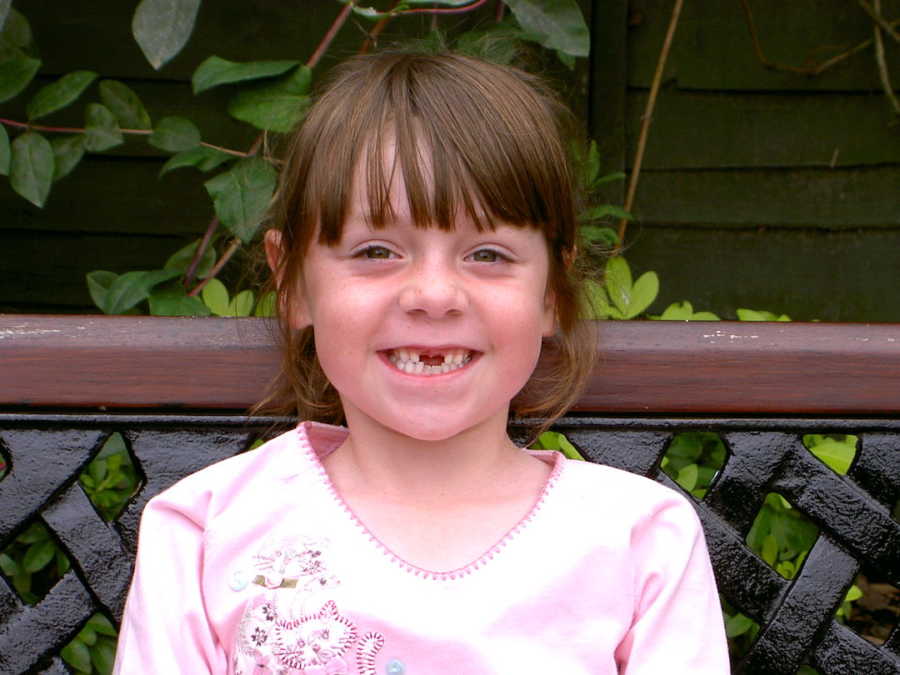
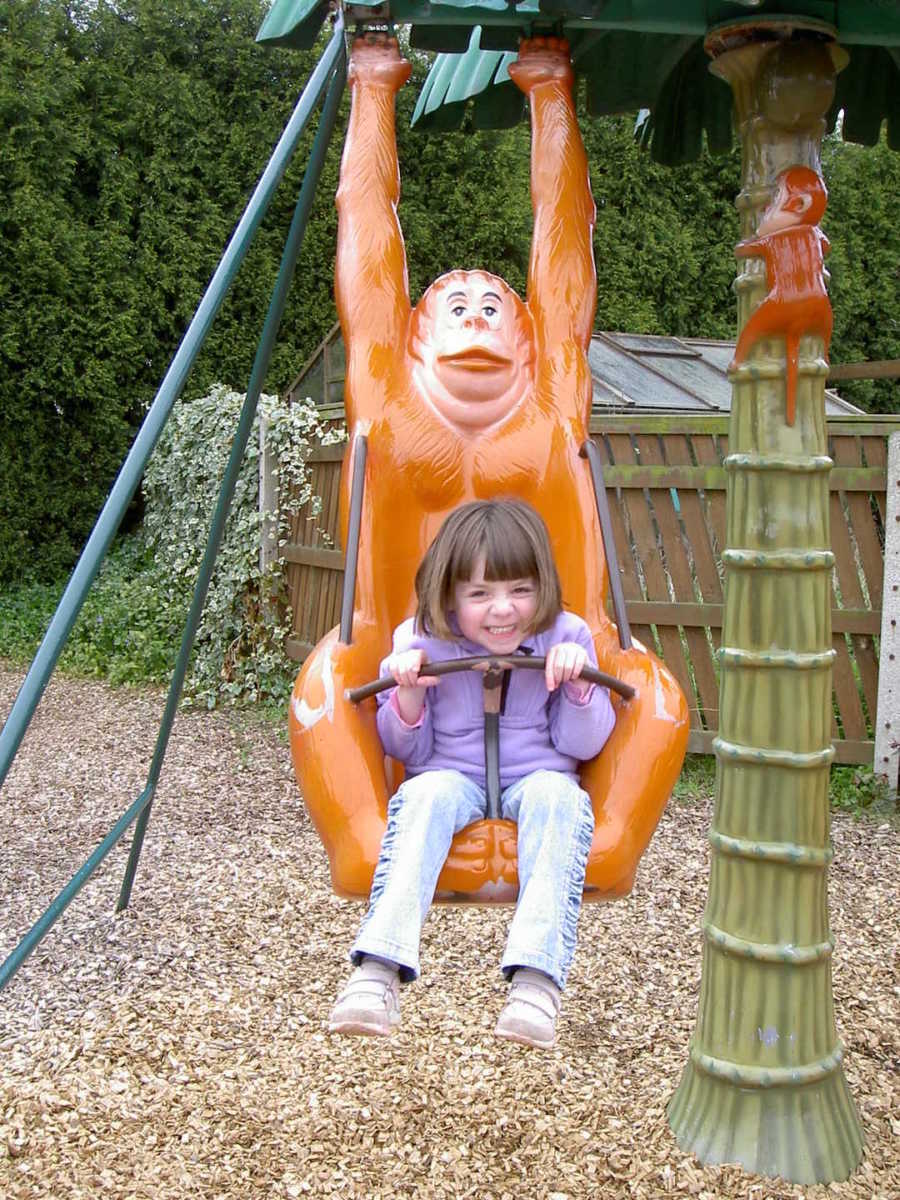
That all changed during a routine primary school check-up. I was terrified when the nurse told me my heart rate was unusually high and that I needed more tests. Being an anxious child, the idea of doctors and hospitals was overwhelming. After multiple tests, the pediatrician reassured us that my heart simply ran faster than most, and that it was nothing to worry about—though at the time, my fear felt anything but small.
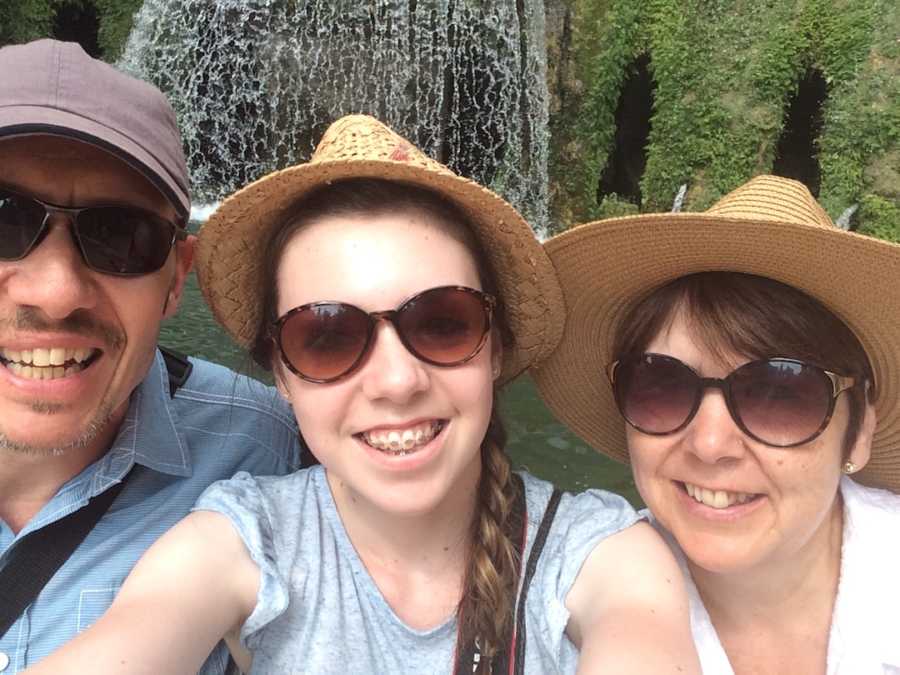
Fast forward to 2019, I was diagnosed with fibromyalgia. But even before the official diagnosis, I’d been living with symptoms for years, especially during secondary school. While not as intense back then, they were disruptive. I experienced persistent growing pains, joint aches, and brain fog that made concentrating or remembering instructions incredibly difficult. Exams were especially challenging. Back then, I refused to see a doctor—I was still terrified of medical appointments. Looking back now, I know 16-year-old me would be so proud of how far I’ve come. I’m now doing things I never imagined possible.
Before my health took a major downturn, I was thriving. During my second year of university, I finally had confidence and a social life. I was happy, energetic, and enjoying nights out until 3 a.m., yet somehow still making it to 9 a.m. lectures. I never imagined that, just months later, I would struggle to even leave my bed, exhausted despite sleeping for ten hours straight.
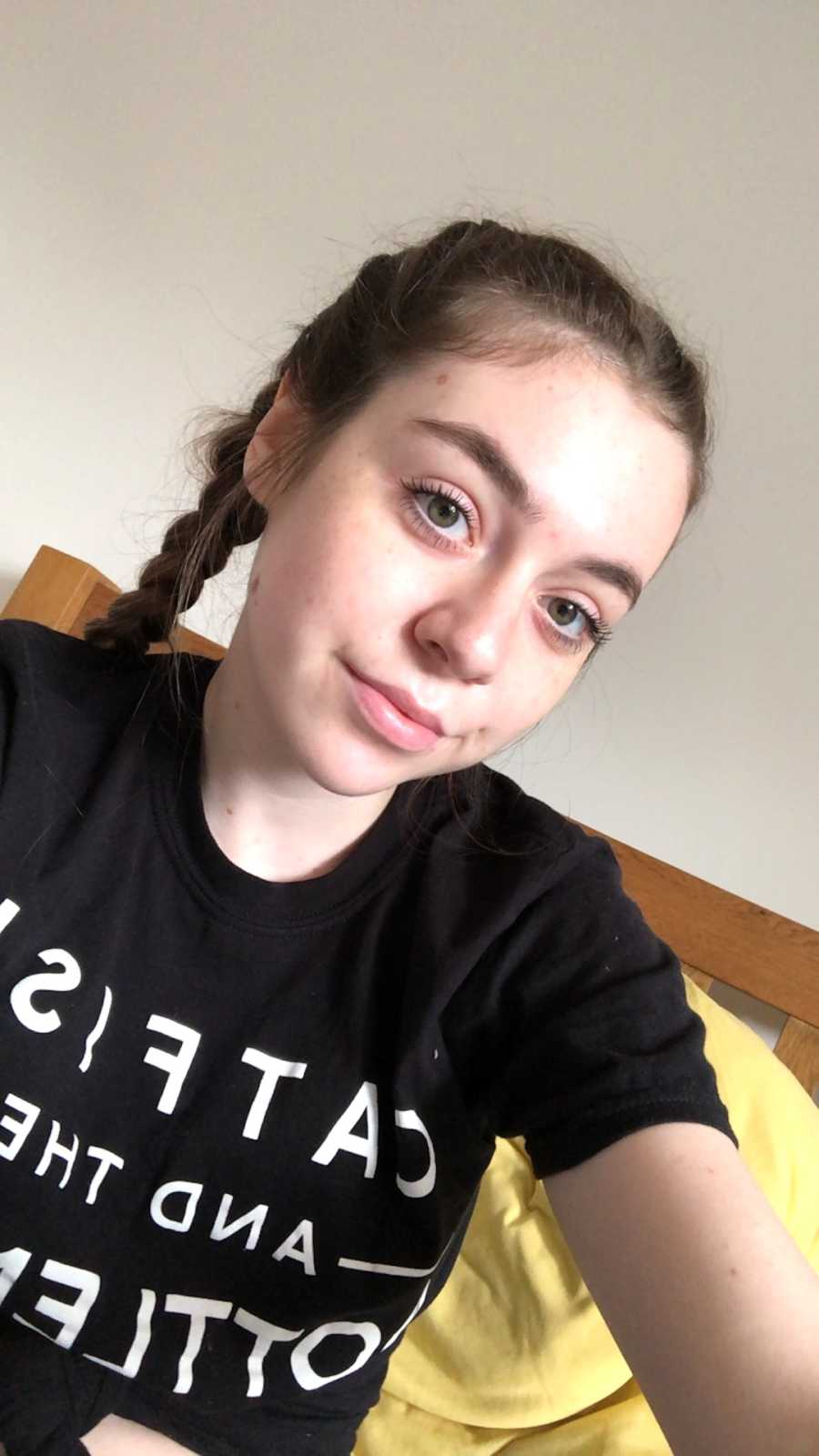
Even with this newfound confidence, I still feared doctors and overthought every small health issue. I was 19 and couldn’t take tablets—I’d struggled with it for years. Calpol was the only thing I could manage, and even then, I had to crush paracetamol into yogurt to get it down. Within a year, this changed dramatically: I was taking five prescribed medications and strong painkillers daily.
January 2019 brought Scarlet Fever. I recovered after a week, only to begin a seven-week teaching placement in a nursery. Looking back, I know that this intense schedule contributed to my fibromyalgia. The fatigue was crushing; I’d return home to plan activities for the next day, barely able to keep going. Thankfully, Adam had just entered my life, and his support with placement preparations was invaluable.
My energy dwindled rapidly. For seven weeks, I constantly battled sore throats, colds, and aching joints. After placement ended in March, a blood test revealed my vitamin D was extremely low. I started supplements, which raised my levels quickly—but my symptoms worsened. I knew something was deeply wrong.
University became a battle. I struggled with assignments, missed deadlines, and became isolated as my social life vanished. Friends judged me harshly, questioning the validity of my illness. One even told me my condition was psychological, a product of anxiety and depression. The emotional pain of these comments cut deeper than my physical symptoms.
In August 2019, my rheumatologist finally diagnosed me with fibromyalgia. I’d hoped for relief, but instead, the reality hit: this was a lifelong condition. My parents, Adam, and true friends were my anchors through this emotionally devastating period. A diagnosis isn’t just medical—it’s mental and emotional, and I empathize deeply with anyone who’s faced this same challenge.
I learned to ignore negativity and focus on myself. Some people asked invasive questions about my future—about driving, working, or having children—which only added to my doubts. I’ve since learned to live in the moment, focus on today, and take the future as it comes.
Returning to university for my third year became a positive distraction. I adapted to my body, learned more about my symptoms, and began managing them with medications. Nausea was a constant challenge, causing weight loss. An anti-sickness tablet, cyclizine, didn’t work, and a switch to metoclopramide resulted in one of the scariest experiences of my life.
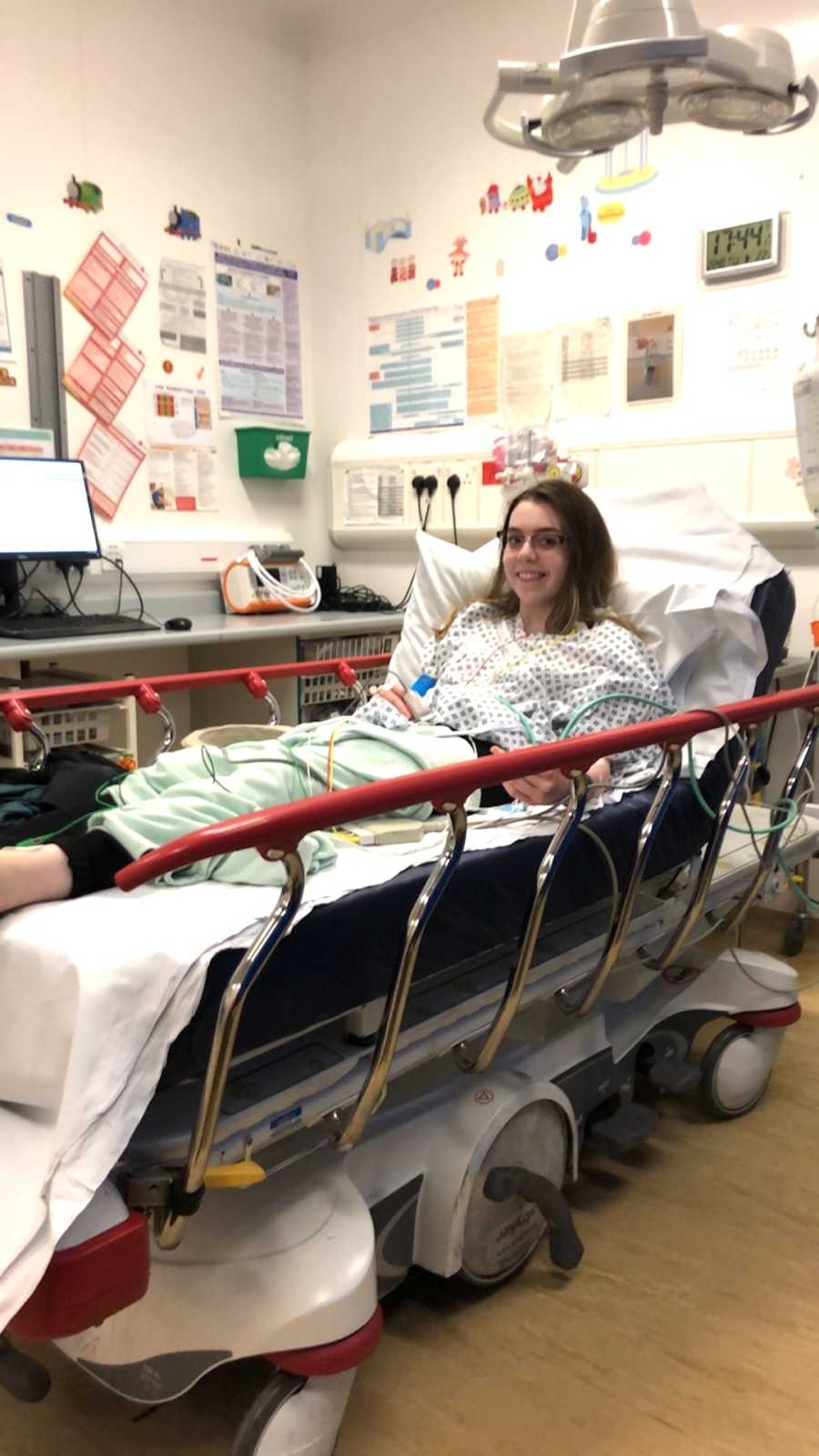
During a day out with Adam and his parents, I suddenly lost control of my legs. Pain shot through my body, my tongue started to fall back, and I struggled to breathe. Paramedics found my heart rate above 156 bpm. In the ambulance, my jaw nearly dislocated due to a dystonic reaction. At the hospital, my heart hit 170–180 bpm. Blood tests confirmed a severe reaction to metoclopramide. Medication eventually reversed it, and I was discharged the next day with a beta-blocker to stabilize my heart.
That experience was a turning point. I faced my fears, remained calm, and kept a positive mindset. I thought of my mom the entire time—her strength inspired me to stay brave. In photos taken in resus, I’m smiling even before the medication worked. I was proud of myself for staying strong during one of the most painful moments of my life.
Sharing my story led to the creation of my Instagram account, @myjourneythroughfibro. In a year and a half, it has grown immensely, allowing me to educate others and connect with people living with chronic illnesses. It’s been a bright spot in my journey.
But my health challenges didn’t stop there. In late 2019, severe spine and hip pain began suddenly. Urgent care sent me to A&E, where I waited hours for minimal testing. I begged my rheumatologist for imaging, which revealed a cystic lesion on my L4 vertebra. Nicknamed Cecilia, this cyst explained much of my pain. Scans ruled out cancer, and a neurosurgeon confirmed it wasn’t damaging my nerves—but the flare-ups continued. Feeling dismissed by medical professionals has been exhausting, and the pain remains debilitating.
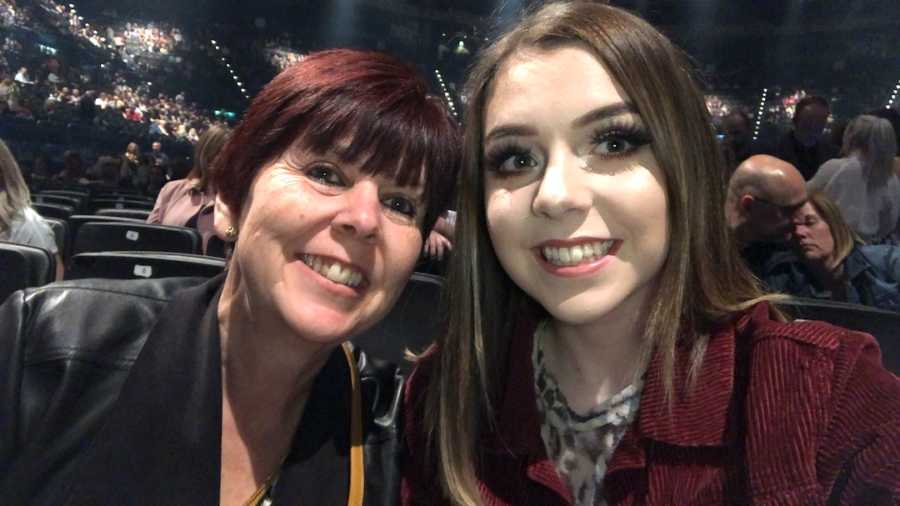
While coping with this, I continued university, facing panic attacks and heightened fibromyalgia symptoms. Despite these challenges, I graduated with a 2:1 in Primary Education. Achieving this milestone gave me immense pride and hope for others navigating chronic illness alongside studies.
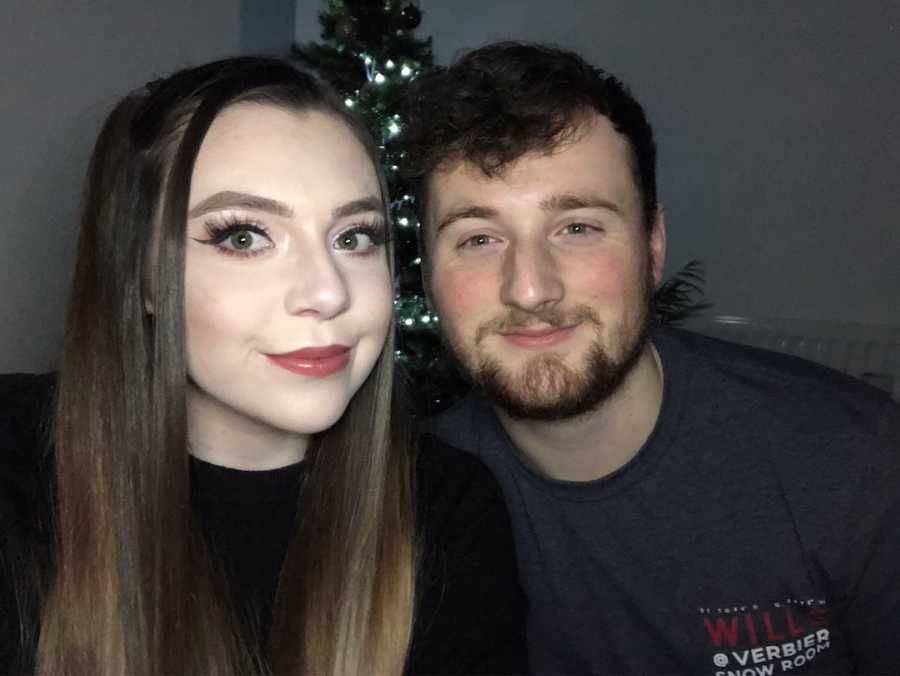
In 2020, I dealt with recurring UTIs, asthma flare-ups, B12 deficiency, and bursitis. Medications helped, but side effects were difficult. Even so, I focused on small victories and progress, viewing these as bumps in my ongoing roller coaster.
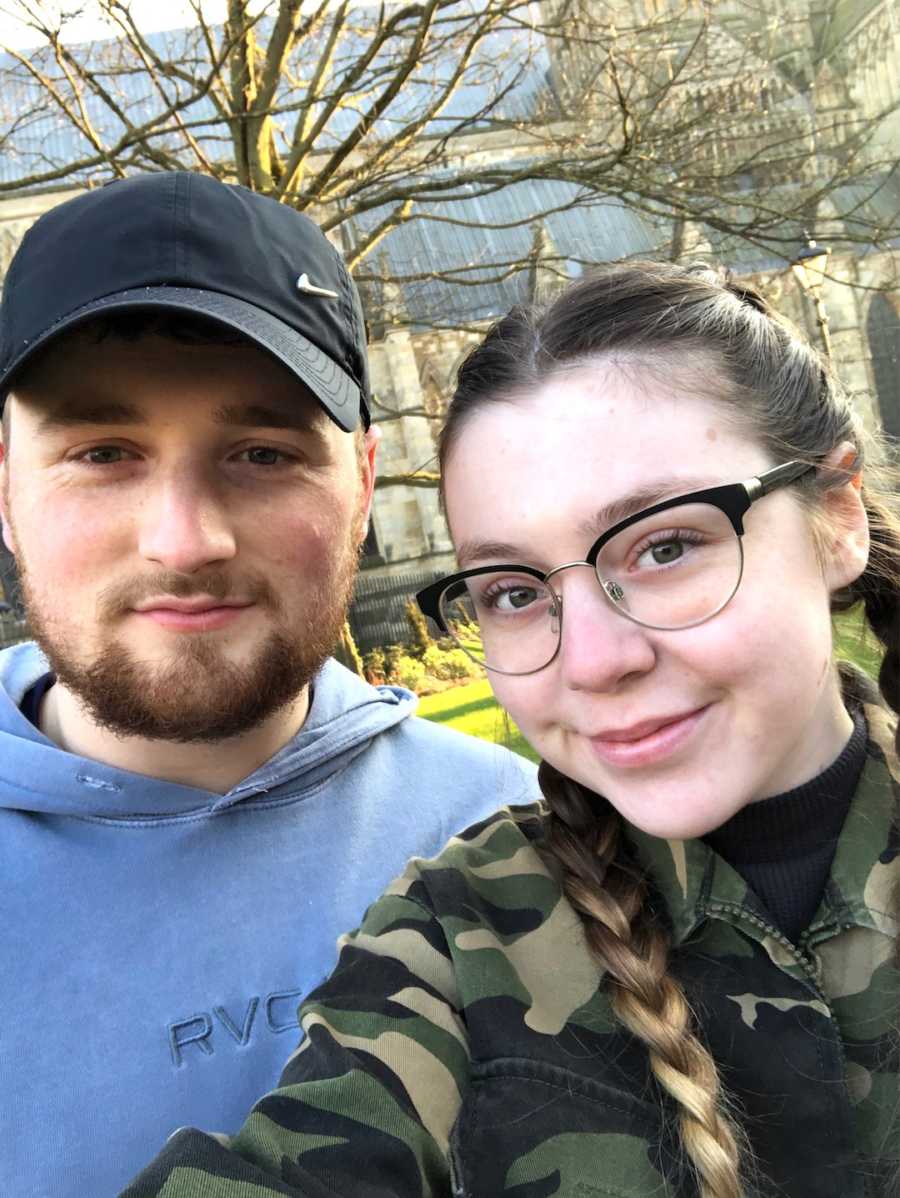
My heart rate, previously high, became unpredictable and dangerous due to POTS (Postural Orthostatic Tachycardia Syndrome). Even simple tasks could trigger spikes, leaving me weak and lightheaded. I’m still adjusting, learning to adapt my life around this condition.
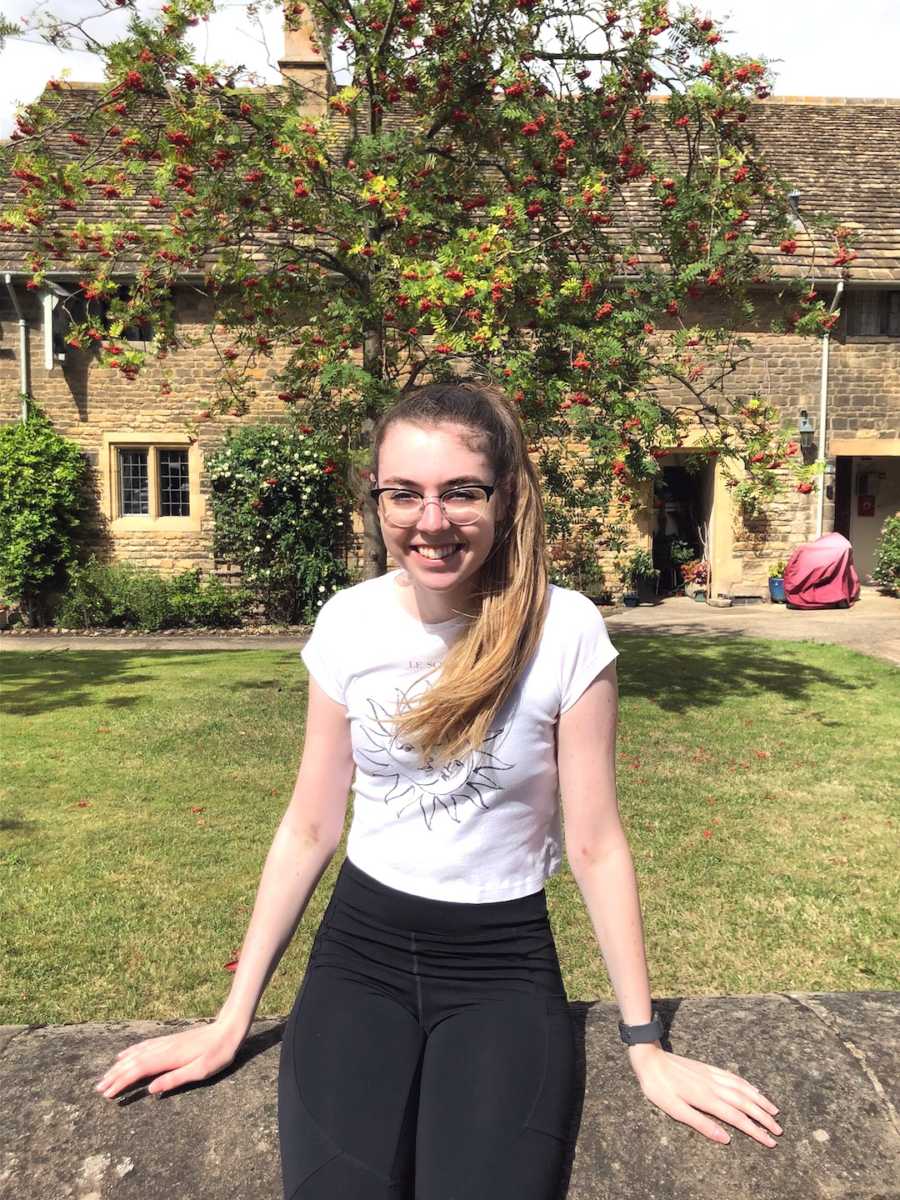
These two years have been overwhelming, yet transformative. I’ve faced fears, endured unimaginable pain, and accomplished things I never thought possible. I’ve learned that even with multiple chronic illnesses, happiness is achievable. Sharing my story has helped me accept my conditions while educating others. Better days are ahead, and I’ll keep moving forward—smiling through it all.