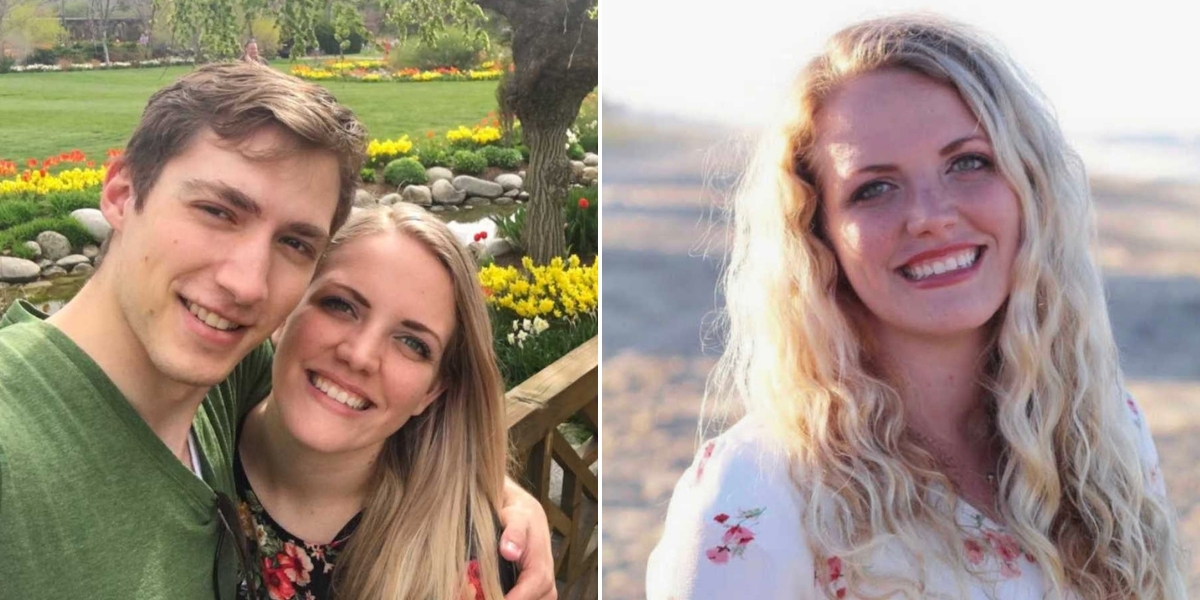
On the night of November 2, 2013, he asked me to be his girlfriend in the little wooden lifeguard station overlooking the lake behind my house. I was barely twenty, wearing a sparkly, slightly worn homecoming dress, and he had draped his suit coat around my shoulders. The air was crisp, the lake calm, and in that perfect moment, nothing else seemed to matter.
He was preparing to go back to school in Utah, and I was facing ongoing health problems that would likely keep me close to home. The thought of a long-distance relationship scared me, but in that instant, it felt absurd to say no to such a charming, remarkable man.
Eight months later, we returned to that same lake in my family’s canoe, recreating our first date. This time, he asked me a different question—one that came with the largest, most breathtaking diamond ring I had ever seen. I somehow managed not to drop it into the lake as my hands shook with excitement. In that moment, we began to envision a life together—a continuation of our imperfect, joyful, and deeply loving relationship.
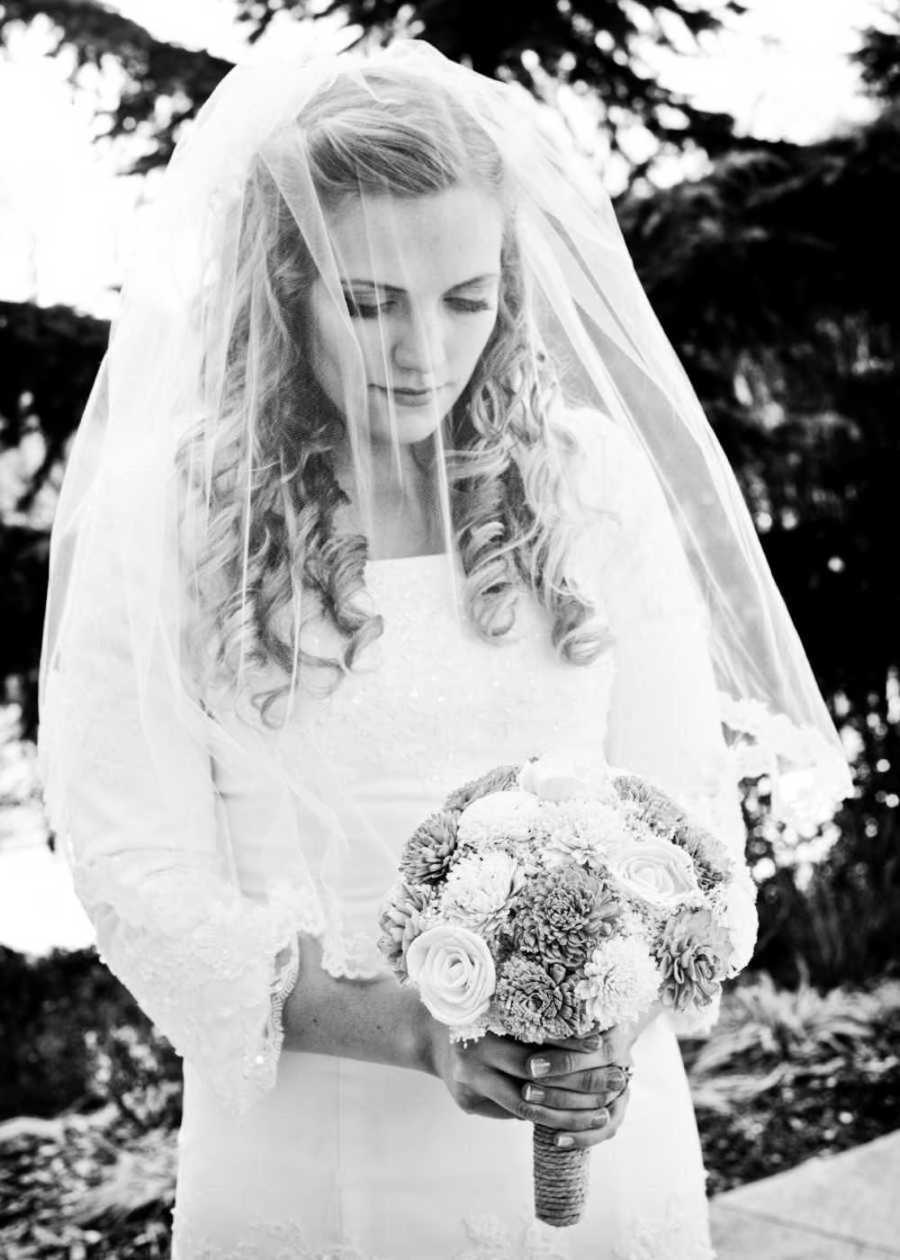
When November 2, 2014, arrived, he told me he didn’t really believe in anniversaries. “We’ll celebrate our first eternity,” he said. I smiled and accepted it as one of his quirky ways, little knowing that less than two months later, we would be married in the LDS temple in Washington, D.C., surrounded by friends and family who were overjoyed for us.
It’s difficult to put into words what it feels like when someone you know and love can break, seemingly at will. To wake up and realize that your worst nightmares are still better than your reality. To not know whether you are returning home to your husband or to your abuser—Dr. Jekyll or Mr. Hyde. People can carry immense light and immense darkness at the same time, making it almost impossible to reconcile the cruelty with the love you once shared. Perhaps that is why so many people stay in situations like these.
At first, our marriage felt like a dream—a lifetime sleepover with your person, full of laughter, warmth, and affection. It’s hard to pinpoint exactly when things began to shift, because for every bad moment, there were countless nights of cuddling, laughter, and shared joy. Our fights were intense, sometimes lasting long into the night, but I told myself that the first year of marriage was supposed to be hard—and that, overall, it was mostly wonderful. Then came the day I caught him in a lie, and everything began to unravel.
After that, he swung between his charming, familiar self and a moody, angry, almost unrecognizable version of himself. He wasn’t violent, but he justified any wrongdoing as evidence of being inherently “bad,” and any concern or criticism I expressed was labeled as me being “too hard on him.” I wasn’t allowed to seek therapy or confide in anyone. The lies piled up, my trust eroded, and I became anxious, jealous, and paranoid. Every time I tried to confront the truth, he would dismiss my feelings, and I found myself rationalizing, hoping that things would somehow improve.
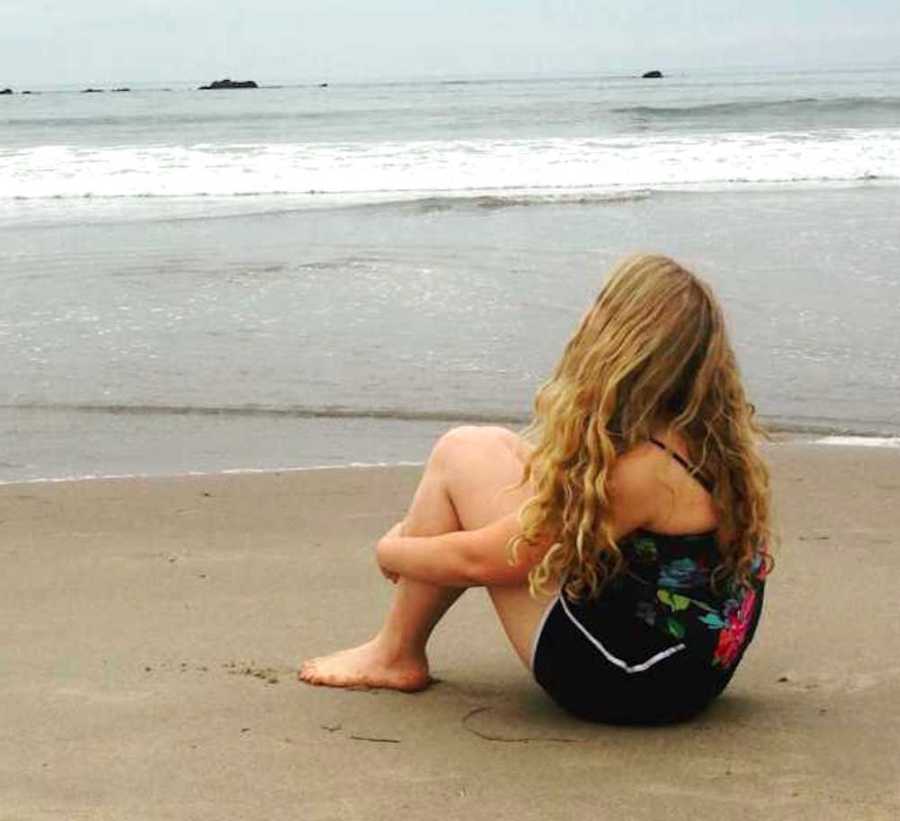
By November 2, 2015, there was no celebration. Our marriage had been rocky for months, the tension spilling over for days. I tried everything—late-night talks, church leaders, books, compromise, prayer, support groups—anything to save us. Finally, I broke the rule he had imposed: I told our families. But he was determined to sink, and I realized I had to decide whether I would go down with him. That night, I chose to stay—but I also chose to survive. I made macaroni and cheese so he would at least have dinner. When he walked through the door, he smiled. For a moment, I thought he was Dr. Jekyll again. But the smile faded, and the familiar wave of melancholic rage returned for the fourth night in a row, without warning, without cause.
I spent hours sobbing and yelling, then stumbled barefoot up the stairs of our basement apartment in Utah. Winter had come early, and I wasn’t wearing a coat, but I barely noticed. I stood alone in the dark, gravel parking lot, hoping against hope that he would follow me and tell me everything would be okay. He never did. I called my best friend, though I barely remember what I said. She found me wandering, pulled me into her car, and drove me to her apartment.
When we arrived, she placed her coat around my shoulders. I looked at her, completely overwhelmed. Why would she give up her warmth for me? What had I done to deserve this?
“I’m doing this because I love you,” she said simply.
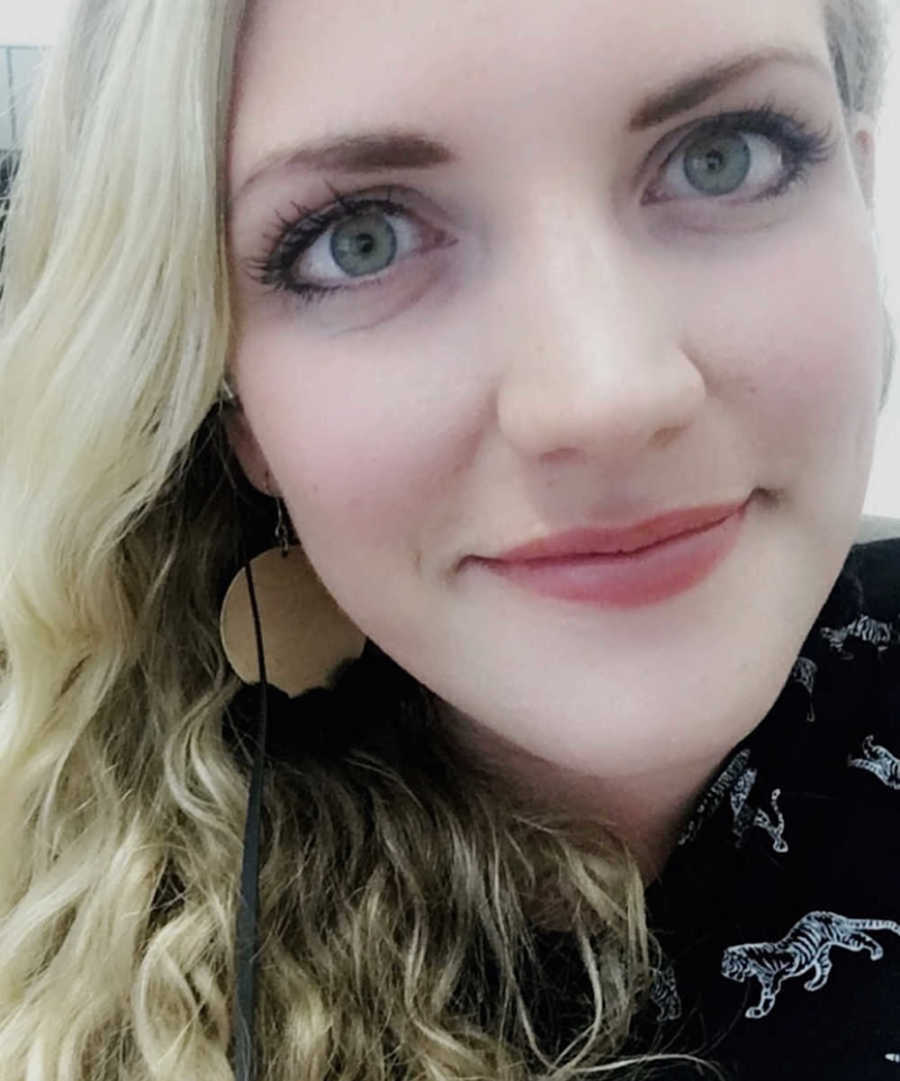
My breath caught. I realized in that moment that I had never truly understood that kind of love. I couldn’t remember the last time my husband had told me he loved me, or shown any simple kindness. Three days later, I moved out for good.
With that first clumsy, courageous night, I began to disentangle myself from his controlling grip, with therapy, friends, and family guiding me. It was like learning to see again for the first time—recognizing emotional abuse the way a toddler learns to recognize shapes.
After the divorce, I explored places he had told me I couldn’t visit. I completed my degree, moved to Boston—a city I had never even seen—earned my master’s, and worked with incredible organizations like Harvard Business Review and MIT Press. I cultivated friendships, provided resources for others navigating abusive relationships, and healed through therapy.
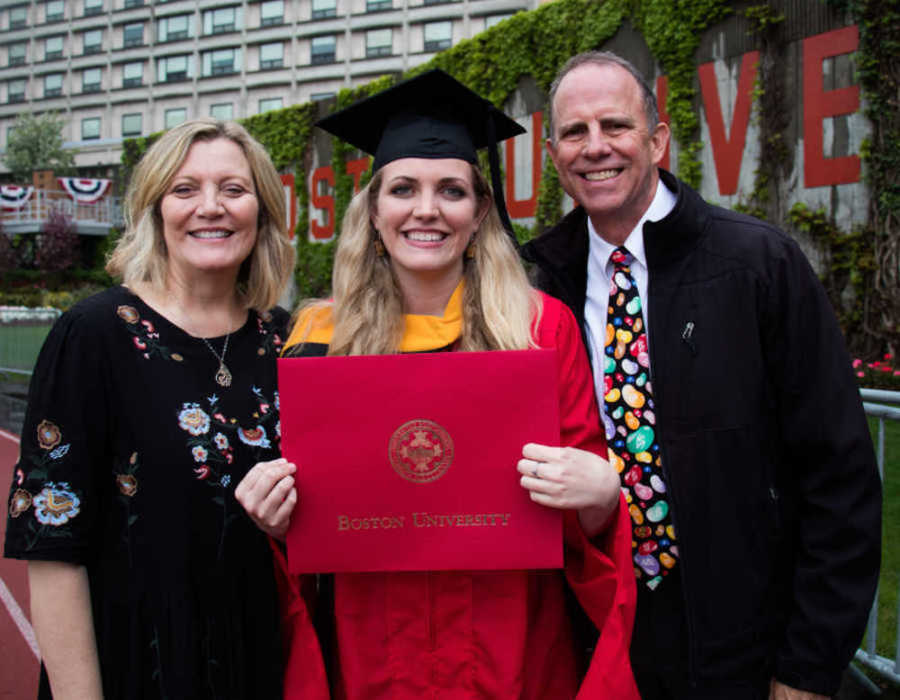
I am no longer the scared girl who could barely open the door to call for help. I am proud of that frightened, miserable past self, because it took immense courage to finally say no—and mean it.
November 2 has since become a complex day for me: a “dark day” tinged with both grief and triumph. I take the day off work, reflect, and allow my emotions to rise and fall. Four years ago, I refused to continue being mistreated. I put my foot down, then another, and another—and walked away.
Now, I am engaged to a gentle, supportive, and extraordinary man. Our wedding is in just two and a half weeks. When we scheduled our final planning meeting, the only time the venue could fit us was November 2.
“It’ll be all right. I’ll be with you,” my fiancé, Josh, said, squeezing my hand.
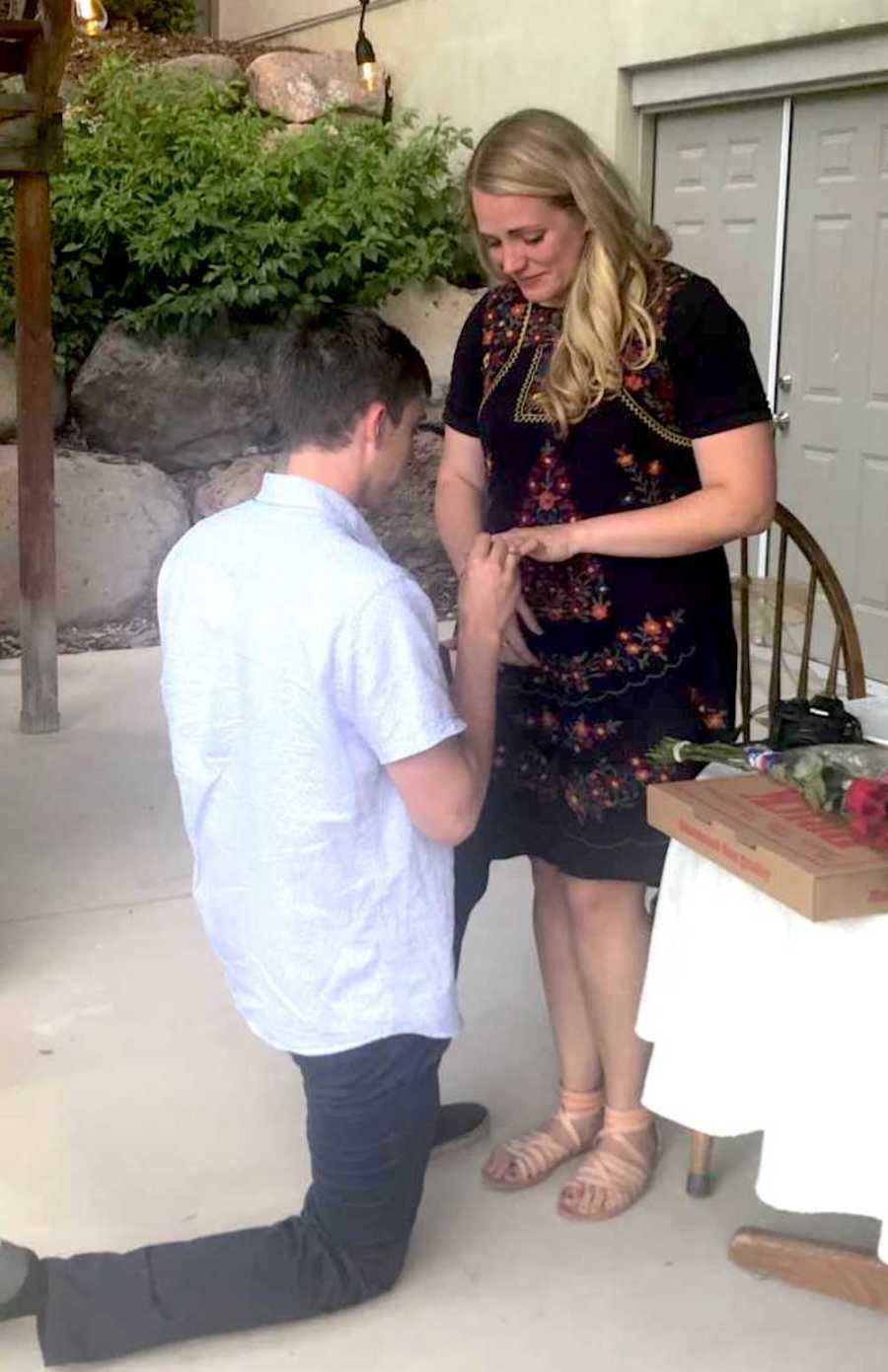
On that day, we danced around the greenhouse where our wedding will be held. We planned the seating, slideshow, playlist, and cake. When sadness inevitably struck, he stayed with me, validated me, and reminded me over and over: “I am so proud of you.”
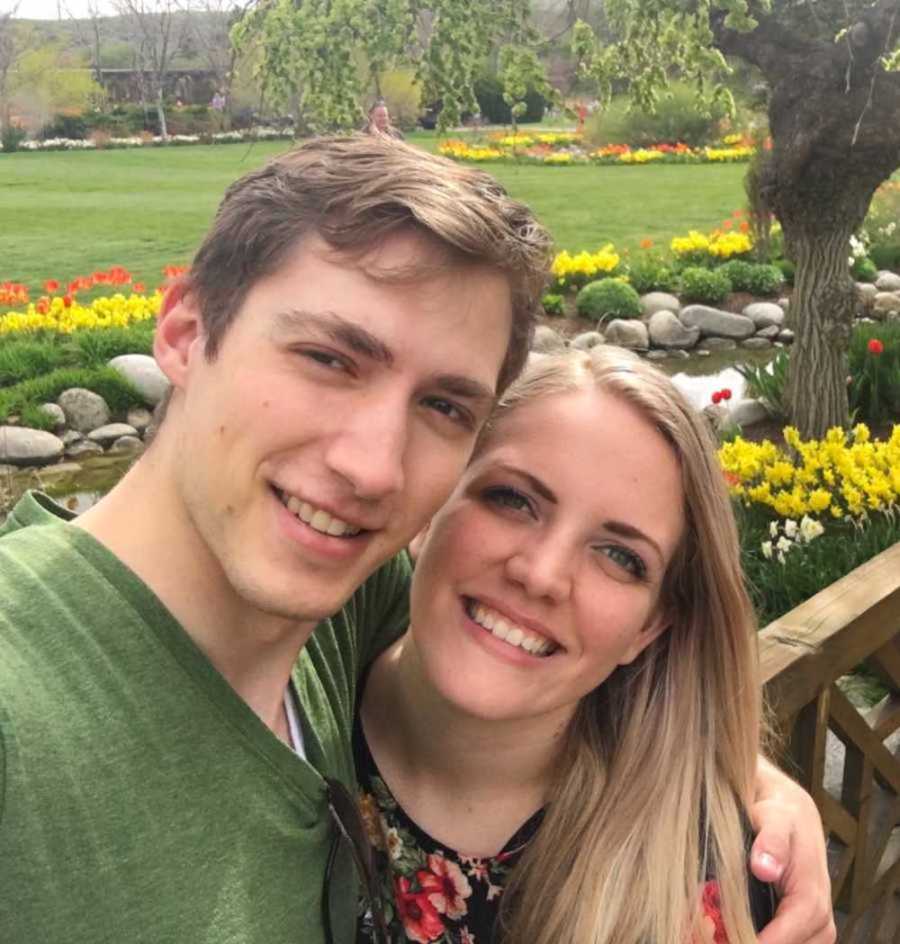
And I realized that I am proud of myself—not just for leaving an abusive marriage, but for doing the hard work to heal and allow someone new into my life.
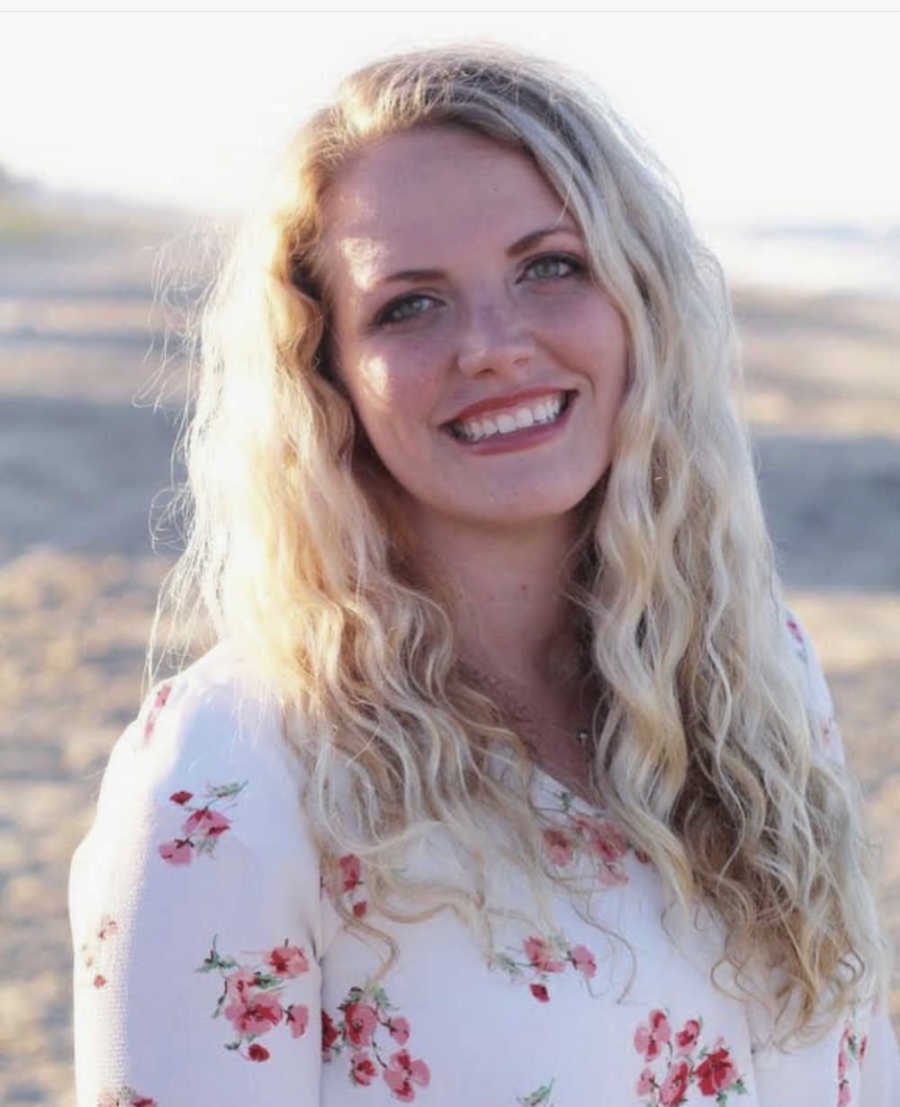
Marriage is not a cure for loss, and the past remains a part of me. But dancing with my future husband in front of a waterfall, creating new memories atop old wounds, feels like the happiest, most hopeful beginning I could have imagined.